Disclosure: KibbleAdvisor is reader-supported. When you buy through links on our site, we may earn an affiliate commission at no extra cost to you. This does not influence our rankings — every recommendation is based on independent research and veterinary consultation. Learn more

Allergy Dog Food Guide

Best Dog Food for Allergies 2026: Hypoallergenic Picks

Itchy skin, upset stomach, chronic ear infections? We reviewed the top hypoallergenic and limited ingredient dog foods recommended by veterinary dermatologists — updated for 2026.

Last updated: April 20, 2026 · By KibbleAdvisor Editorial Team · 21 min read

Our #1 Pick

Our top pick is Royal Canin Veterinary Diet Hydrolyzed Protein Adult HP — the clinical gold standard used by veterinary dermatologists for elimination diet trials. The protein is broken into fragments too small for the immune system to recognize as allergens, making it effective even for dogs that react to every conventional protein. Note that it requires a vet prescription. If you need an over-the-counter option, Canidae PURE Real Salmon & Sweet Potato is our best OTC pick: just 8 ingredients, a genuinely novel protein, and no common allergens.

Quick Comparison: Our Top Picks

Here's how our top-rated allergy dog foods stack up side by side. Scroll right on mobile to see all columns.

ProductRatingPriceProtein %Grain-FreeLife StageBuy

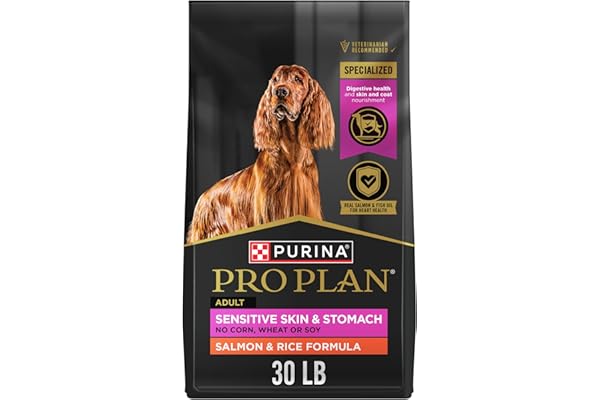
Purina Pro Plan

Purina Pro Plan Sensitive Skin and Stomach Dog Food, Adult Salmon & Rice, 30 lb

Best for Allergies
$77.48
26%Highest
adultBuy

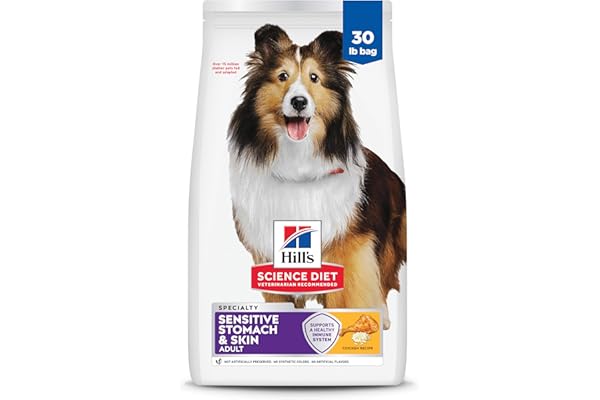
Hill's Science Diet

Hill's Science Diet Adult Sensitive Stomach & Skin Dry Dog Food, Chicken, 30 lb

Vet's Top Pick
Best
$89.99
21%
adultBuy

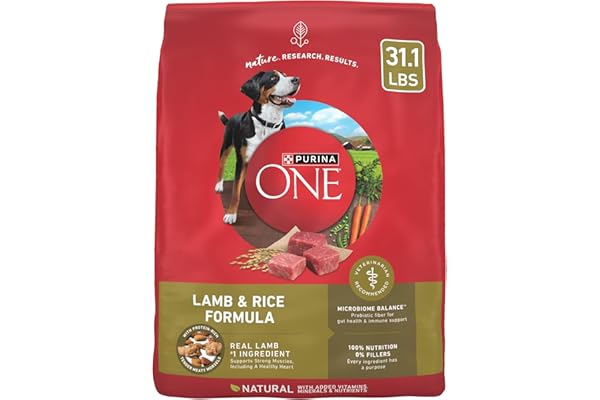
Purina ONE

Purina ONE Dry Dog Food Lamb and Rice Formula, 31.1 lb

Best for Sensitive Dogs
$48.98Lowest
26%
adultBuy

Our Top Picks for 2026

1. Purina Pro Plan Sensitive Skin and Stomach Dog Food, Adult Salmon & Rice, 30 lbTop Pick

Why we picked it

Pros

  • Salmon as #1 ingredient
  • Specifically formulated for sensitive stomachs
  • Oat meal for gentle digestion
  • 24,000+ reviews

Cons

  • Premium price
  • 30 lb bag — large commitment

Best for

Check Price on Amazon

2. Hill's Science Diet Adult Sensitive Stomach & Skin Dry Dog Food, Chicken, 30 lbTop Pick

Why we picked it

Pros

  • Clinically proven digestive support
  • Omega-6 fatty acids for skin health
  • Prebiotic fiber blend
  • Highly digestible ingredients

Cons

  • Most expensive on Best Sellers list
  • Chicken meal not whole chicken

Best for

Check Price on Amazon

3. Purina ONE Dry Dog Food Lamb and Rice Formula, 31.1 lbTop Pick

Purina ONE Dry Dog Food Lamb and Rice Formula, 31.1 lb product
3
Best for Sensitive Dogs

Purina ONE

Purina ONE Dry Dog Food Lamb and Rice Formula, 31.1 lb

Purina ONE Lamb & Rice is a top choice for dogs with chicken sensitivities. Real lamb as the first ingredient provides a novel protein source that most sensitive dogs tolerate well.

  • Real lamb as #1 ingredient
  • Novel protein for sensitive dogs
  • SmartBlend of natural ingredients
$48.98on Amazon
Check Price on Amazon

Why we picked it

Pros

  • Real lamb as #1 ingredient
  • Novel protein for sensitive dogs
  • SmartBlend of natural ingredients
  • No artificial flavors or preservatives

Cons

  • Contains corn
  • Not grain-free

Best for

Check Price on Amazon

How We Chose These Allergy Dog Foods

We evaluated dozens of hypoallergenic and limited ingredient dog food formulas using four core criteria. Each product was reviewed against published veterinary dermatology literature, and our editorial team consulted with veterinary nutritionists to verify our findings.

1

Allergen Avoidance

We prioritize formulas with the shortest possible ingredient lists, the fewest common allergen proteins (chicken, beef, dairy, wheat, soy, eggs), and transparent labeling. Foods that claim to be "limited ingredient" but include multiple protein meals or complex flavor additives are penalized. Cross-contamination risk from shared manufacturing lines is also considered.

2

Protein Source Quality

We evaluate whether the primary protein is novel (rabbit, venison, duck), hydrolyzed (enzymatically fragmented below allergen-detection thresholds), or a common allergen. Novel proteins carry lower sensitization risk for most dogs. Hydrolyzed proteins are the clinical gold standard. Foods using common proteins like chicken as the sole source are deprioritized for this category.

3

Veterinary Evidence

We weight formulas that have been validated through AAFCO feeding trials, recommended by board-certified veterinary dermatologists (Diplomates ACVD), or studied in peer-reviewed literature. Prescription diets subject to more rigorous manufacturing controls rank higher for elimination diet use. OTC options are evaluated on the rigor of their limited ingredient claims.

4

Value & Accessibility

Elimination diet trials require 8–12 weeks of strict adherence, so cost matters significantly. We calculate price per day of feeding alongside ingredient quality. Prescription diets receive separate consideration given their clinical necessity. For OTC options, we identify the best value that does not sacrifice the ingredient simplicity required for meaningful allergy management.

Allergy Dog Food Buying Guide

Navigating food allergies in dogs can feel overwhelming. Here is everything you need to understand the science and make an informed decision for your dog.

Common Dog Food Allergens

The Most Frequent Culprits

Published veterinary dermatology research consistently identifies the same proteins as the most common triggers: beef (implicated in ~34% of cases), dairy (~17%), chicken (~15%), wheat (~13%), egg (~11%), soy (~6%), and lamb (~5%). These are all proteins that dogs are commonly exposed to over long periods — allergies develop through repeated sensitization, not from a single exposure. The ingredients your dog has eaten most throughout its life are paradoxically the most likely cause of its allergy.

What About Grains?

Despite popular belief, grains are a relatively uncommon cause of true food allergy in dogs. Wheat is the only grain that appears with meaningful frequency in the literature (~13%), and other grains (corn, rice, barley) are rarely implicated. Most dogs marketed as having "grain allergies" actually have protein allergies. That said, choosing a limited ingredient grain-free diet can still be beneficial — not because avoiding grains treats the allergy, but because grain-free LID formulas tend to have shorter ingredient lists and fewer opportunities for hidden allergens.

What Is a Limited Ingredient Diet (LID)?

A limited ingredient diet (LID) is a food formulated with the fewest possible ingredients — ideally a single novel animal protein and a single carbohydrate source — to minimize the number of potential allergens your dog is exposed to. The goal is diagnostic as much as therapeutic: by reducing the ingredient count radically, you make it possible to systematically identify which ingredient is causing a reaction through structured reintroduction.

"Limited ingredient" is not a legally regulated term in the United States, which means brands can use the label loosely. Always read the full ingredient list rather than trusting the marketing claim. A genuinely useful LID for allergy management should have fewer than 10–12 ingredients, a single named animal protein, and no hidden protein sources like "natural flavors" or unspecified "broth."

Hydrolyzed Protein Explained

Hydrolyzed protein diets use a chemical or enzymatic process to break protein molecules into fragments small enough that the immune system cannot mount an allergic response against them. The key threshold is molecular weight: most allergen-recognizing antibodies (IgE) require peptides above a certain size to bind. Veterinary hydrolyzed diets are manufactured to ensure the vast majority of peptides fall below this threshold.

This is why Royal Canin Hydrolyzed Protein HP can use soy — a common allergen — as its protein base without triggering reactions in soy-sensitive dogs. The soy protein is so thoroughly fragmented that the immune system literally cannot recognize it as soy. For this reason, hydrolyzed protein diets are the most reliable option for dogs with severe or multi-protein allergies, and they are the clinical standard for elimination diet trials used by veterinary dermatologists.

Important caveat

Not all hydrolyzed diets are equal. The degree of hydrolysis matters — some over-the-counter foods use "partially hydrolyzed" protein that may still contain peptide fragments large enough to trigger reactions in highly sensitized dogs. Prescription veterinary hydrolyzed diets undergo more rigorous quality control and are manufactured in dedicated facilities to prevent cross-contamination.

How to Do an Elimination Diet Trial

An elimination diet trial is the gold standard for diagnosing food allergies in dogs. It involves feeding a novel protein or hydrolyzed protein diet exclusively for 8–12 weeks, then deliberately reintroducing suspected allergens to confirm the diagnosis. Here is how to do it correctly:

  1. Step 1 — Consult your vet. Rule out other causes of skin or GI symptoms (mange, ringworm, environmental allergies, parasites) before starting a dietary trial.
  2. Step 2 — Select the right diet. Choose a prescription hydrolyzed diet or a novel protein LID that contains no proteins your dog has ever eaten before. Check all prior food labels carefully.
  3. Step 3 — Strict adherence for 8–12 weeks. No treats, table scraps, flavored supplements, flavored medications, or dental chews — only the elimination diet food and plain water. Even a small exposure to a trigger can restart the allergic response and invalidate the trial.
  4. Step 4 — Assess improvement. Skin symptoms typically take 8–10 weeks to resolve; GI symptoms often improve within 2–4 weeks. Document your dog's symptoms throughout the trial.
  5. Step 5 — Challenge reintroduction. Once symptoms resolve, reintroduce the original diet. If symptoms return within 1–2 weeks, a food allergy is confirmed. You can then systematically reintroduce single ingredients to identify the specific trigger.

Novel Proteins vs. Common Proteins

ProteinCategoryAllergy Risk
Beef, Chicken, DairyCommon — widely used in mainstream kibbleHighest — most frequent allergens in research
Salmon, Turkey, LambModerately novel — increasingly common in pet foodModerate — lower but rising prevalence
Venison, Rabbit, DuckNovel — rarely used in mainstream formulasLow — minimal prior sensitization for most dogs
Hydrolyzed Soy / Feather MealHydrolyzed — prescription gradeLowest — immune system cannot detect fragments

The concept of novelty is relative to your individual dog's dietary history. A protein is only novel if your dog has never been significantly exposed to it before. If your dog has eaten venison treats for years, venison is no longer novel. Always review your dog's complete dietary history before selecting an elimination diet protein source.

Frequently Asked Questions

The most frequently documented food allergens in dogs — based on published veterinary dermatology research — are beef (the most common, implicated in approximately 34% of canine food allergy cases), dairy (17%), chicken (15%), wheat (13%), egg (11%), soy (6%), and lamb (5%). Notably, these are all proteins the immune system has been repeatedly exposed to over time, which is why novel proteins like rabbit, venison, or hydrolyzed proteins are used in elimination diets. Grains are actually a relatively uncommon cause of true food allergy in dogs, despite widespread belief to the contrary.
A properly conducted elimination diet trial requires a minimum of 8 weeks, and many veterinary dermatologists recommend 10–12 weeks for dogs with skin symptoms (cutaneous reactions can take longer to resolve than GI signs). During this period, your dog must eat only the elimination diet food — no treats, table scraps, flavored medications, or chews that contain non-approved proteins. After symptoms resolve, a deliberate "challenge" reintroduction of the suspected allergen is recommended to confirm the diagnosis. If symptoms return within 1–2 weeks of reintroduction, you have confirmed a food allergy to that ingredient.
Yes. Food allergies in dogs are acquired, not innate — they develop through repeated immune sensitization to a protein over months or years of exposure. This means a dog can eat chicken successfully for five years and then develop an allergy to it. It also means that the foods your dog has eaten most frequently throughout its life are actually the most likely candidates for an allergic trigger, which is counterintuitive but important to understand when selecting an elimination diet. Dogs can also develop new allergies to proteins they have never reacted to before, particularly if there is an underlying breakdown in gut mucosal integrity.
Not automatically. True grain allergies are uncommon in dogs — wheat is implicated in roughly 13% of food allergy cases, and other grains are even rarer. The more important factor is the protein source: whether the food uses chicken vs. salmon, for example. That said, many grain-free limited ingredient diets are beneficial for allergy dogs because they also tend to have shorter ingredient lists and novel protein sources, not because avoiding grains per se resolves the allergy. Importantly, the FDA investigated a potential link between grain-free diets high in legumes and dilated cardiomyopathy (DCM) in dogs between 2018–2022. While no definitive causal link was established, this is worth discussing with your veterinarian when selecting a long-term diet.
You should seek referral to a board-certified veterinary dermatologist (Diplomate ACVD) if your dog's allergy symptoms are severe, if an 8–12 week elimination diet trial has not produced improvement, if your dog has chronic recurrent ear infections (often a hallmark of food or environmental allergy), or if you need a definitive allergy diagnosis to guide long-term management. Veterinary dermatologists can perform intradermal allergy testing, interpret elimination diet trial results accurately, and prescribe targeted immunotherapy (allergy shots or sublingual drops) — the only treatments that address the underlying allergy rather than just managing symptoms.

Final Verdict

For dogs with confirmed or strongly suspected food allergies, the evidence points clearly to Royal Canin Veterinary Diet Hydrolyzed Protein HP as the most reliable dietary intervention. The degree of protein hydrolysis meets the clinical standard for elimination diet trials, and it is the food most likely to produce definitive diagnostic results under veterinary supervision. The prescription requirement is a feature, not a limitation — it ensures manufacturing controls and quality standards that OTC foods cannot match.

If a prescription diet is not accessible or affordable, Canidae PURE Real Salmon & Sweet Potato is the best over-the-counter alternative. Eight key ingredients, a genuinely novel protein for most dogs, and no common allergens make it the most trustworthy OTC limited ingredient diet on the market. For the tightest budget, Natural Balance L.I.D. Sweet Potato & Fish delivers a true single-protein, single-carb formula at the most accessible price point — making it practical for the full 8–12 week trial period an elimination diet requires.

Whatever you choose, remember that dietary management is only one part of allergy care. Environmental allergens, secondary skin infections, and flea allergy dermatitis often coexist with food allergies in the same dog. If your dog does not improve significantly after a strict 12-week elimination trial, seek a referral to a board-certified veterinary dermatologist for a comprehensive allergy evaluation.