Disclosure: KibbleAdvisor earns commissions on qualifying Amazon purchases at no extra cost to you. Our rankings are editorially independent. Learn more

Breed Guide · Dog Food

Best Dog Food for Beagles: 2026 Vet-Reviewed Picks

medium breedhigh energy20–30 lbsLifespan: 12–15 years

Beagles were bred over centuries to follow their nose for hours at a time — a purpose that demanded high endurance and an appetite that could fuel long hunts. Today's house Beagle has the same food drive and appetite but a fraction of the activity level, making obesity the number-one health threat to the breed and portion control the most important daily nutritional practice.

Last updated: April 24, 2026 · By KibbleAdvisor Editorial Team

Our #1 Pick for Beagles

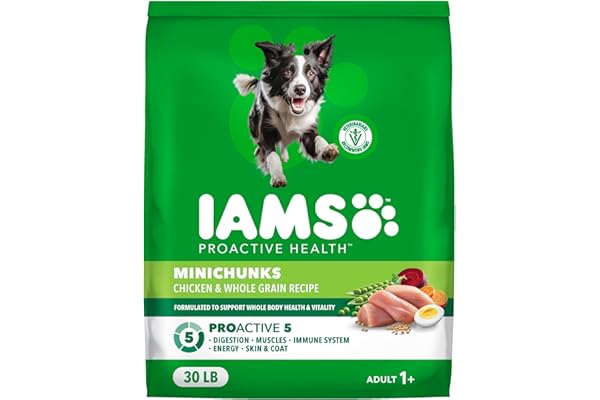
IAMS Proactive Health Adult Minichunks Premium Dry Dog Food, 30 lbHill's Science Diet Perfect Weight is the most direct response to the Beagle's obesity problem. Clinically proven weight management in 10 weeks when fed as dire

Check Price on Amazon

Beagle: Breed Overview

Beagles are cheerful, curious, and relentlessly scent-driven dogs that have been popular hunting companions and family pets for centuries. They exist in two size variants — 13-inch (under 20 lbs) and 15-inch (20–30 lbs) — with similar nutritional profiles. Beagles are known for their howling, their ability to escape enclosures, and their extraordinary food motivation. They will eat almost anything placed in front of them and will eat past fullness given the opportunity. Despite this, they are a generally healthy breed with a long lifespan of 12–15 years when managed well.

Typical Weight20–30 lbs
Lifespan12–15 years
Energy LevelHigh
Size ClassMedium
Daily Calories700–1000/day

Why Beagles Have Unique Nutritional Needs

Beagles need moderate protein appropriate to their size with controlled fat to prevent the weight gain their appetite and food motivation almost guarantee without careful management. Higher fiber content (beet pulp, chicory root) increases satiety per calorie — critical for a breed that always seems hungry. Novel protein options are valuable for the significant percentage of Beagles that develop food allergies with age. Consistent meal timing matters for epileptic Beagles on medication.

Recommended Nutrition Targets for Beagles

Protein

min 22%

Fat

10–14%

Daily Calories

700–1000/day

Targets based on AAFCO guidelines and breed-specific veterinary nutrition research. Adjust for individual dog weight, age, and activity level.

Common Beagle Health Issues & How Diet Helps

Understanding your Beagle's specific health risks allows you to choose a diet that provides targeted nutritional support — not just general adequacy.

1

Obesity

Beagles are among the breeds most commonly presented to veterinarians as overweight. Their food motivation makes them skilled at convincing owners they need more food. Use measured portions (weigh kibble with a kitchen scale), feed twice daily only, eliminate casual treats, and switch to a high-fiber, calorie-controlled formula if your Beagle is gaining weight on appropriate portions of standard adult food. L-Carnitine supports fat metabolism in breeds prone to weight gain.

2

Intervertebral Disc Disease (IVDD)

Beagles are a chondrodystrophic breed with a disproportionately high rate of IVDD compared to their size. Every pound of excess body weight increases the compressive force on already-vulnerable spinal discs. Weight management is the dietary intervention with the most evidence-supported impact on IVDD risk reduction. No specific ingredient prevents disc herniation, but achieving and maintaining lean body weight reduces both incidence and severity.

3

Epilepsy

Idiopathic epilepsy is relatively common in Beagles. Diet does not cause or cure epilepsy, but consistent feeding schedules are important for Beagles on anticonvulsant medications (phenobarbital, potassium bromide), as food timing affects drug absorption. Omega-3 fatty acids have some preliminary research support for anticonvulsant properties. Avoid abrupt food changes that can cause hypoglycemia and lower seizure thresholds in sensitive dogs.

4

Ear Infections

Beagles' long, pendulous ears limit airflow to the ear canal, creating humid conditions ideal for yeast and bacterial growth. Diet influences ear infection susceptibility through the immune response — food allergies trigger systemic inflammation that worsens ear conditions. Omega-3 fatty acids reduce this inflammatory response. If your Beagle has recurring ear infections, an 8–12 week dietary trial on a novel protein is the appropriate first diagnostic step.

Health concerns for this breed:

obesityintervertebral disc disease (IVDD)epilepsyhypothyroidismear infections

Quick Comparison: Top Dog Foods for Beagles

All three formulas are vet-reviewed and selected specifically for the Beagle's health profile. Scroll right on mobile to see all columns.

ProductRatingPriceProtein %Grain-FreeLife StageBuy

IAMS

IAMS Proactive Health Adult Minichunks Premium Dry Dog Food, 30 lb

Best Value
Best
$46.97Lowest
23%
adultBuy

Taste of the Wild

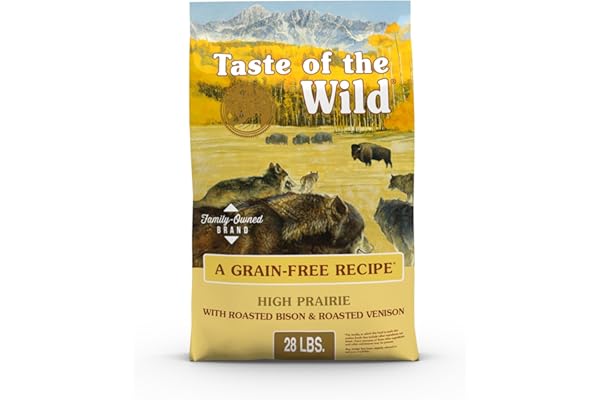
Taste of the Wild High Prairie Grain-Free Recipe with Roasted Bison and Venison, 28 lb

Best Grain-Free
$58.99
32%Highest
adultBuy

Purina Pro Plan

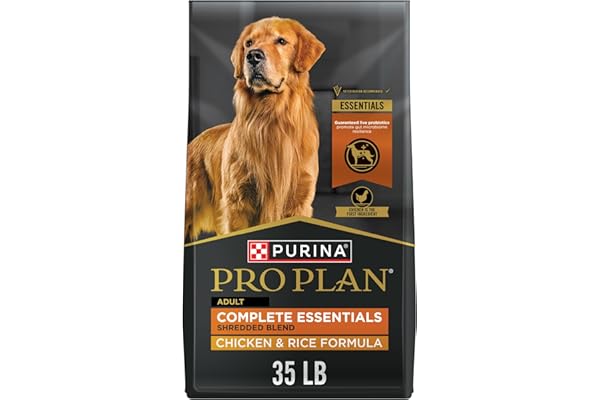
Purina Pro Plan Complete Essentials Shredded Blend Chicken and Rice Dog Food with Probiotics, 35 lb

Vet Recommended
$74.48
26%
adultBuy

Our Top 3 Dog Food Picks for Beagles

1. IAMS Proactive Health Adult Minichunks Premium Dry Dog Food, 30 lb

Why it works for Beagles

Hill's Science Diet Perfect Weight is the most direct response to the Beagle's obesity problem. Clinically proven weight management in 10 weeks when fed as directed, with high fiber for satiety and L-Carnitine for fat metabolism. For Beagles already overweight or those with the POMC-like food drive that many Beagles exhibit, this formula provides meaningful caloric control without leaving the dog feeling unsatisfied after meals.


2. Taste of the Wild High Prairie Grain-Free Recipe with Roasted Bison and Venison, 28 lb

Why it works for Beagles

Taste of the Wild High Prairie uses roasted bison and venison as primary proteins — novel ingredients for most Beagles who have eaten chicken- or beef-based foods their whole lives. Novel proteins are valuable for Beagles with food allergies or recurring ear infections driven by common protein sensitivities. The K9 Strain proprietary probiotics are specific to dogs and support the gut microbiome in ways generic human-grade probiotics cannot. Good value at $54.99 for 28 lbs.


3. Purina Pro Plan Complete Essentials Shredded Blend Chicken and Rice Dog Food with Probiotics, 35 lb

Why it works for Beagles

Purina Pro Plan is the vet-recommended baseline for healthy Beagles without specific medical needs. Real chicken at 26% protein, live probiotics, and AAFCO feeding trial validation make it a reliable daily foundation. For Beagles managed on anticonvulsant medications, the consistency and predictability of Purina Pro Plan's formulation make it a particularly stable dietary anchor.

Beagle Feeding Schedule

Feeding frequency and portion size should evolve with your Beagle's life stage. The guidelines below are starting points — adjust based on body condition score and your vet's recommendations.

Puppy

3x/day; puppy formula appropriate for small-to-medium breeds

Adult

2x/day only — never free feed a Beagle; measure precisely

Senior

2x/day with senior formula from age 9+; continue strict portion control — obesity risk does not decrease with age

Fun Fact: Beagles have approximately 225 million scent receptors — compared to about 5 million in humans — making them one of the most scent-capable breeds in existence. This extraordinary olfactory ability burns meaningful caloric resources when actively used, explaining why hunting Beagles historically needed much more food than their house-pet equivalents require today.

Ingredients Guide for Beagles

✓ Ingredients to Look For

  • named protein first (chicken, salmon, venison)
  • L-Carnitine for weight management
  • high fiber content for satiety
  • fish oil (EPA and DHA)
  • live probiotics for digestive and ear health
  • natural antioxidants

✗ Ingredients to Avoid

  • corn syrup
  • artificial colors and dyes
  • excessive dietary fat (>15%)
  • low-quality meat meals as primary protein
  • high-calorie treats

Frequently Asked Questions: Beagle Nutrition

Adult 15-inch Beagles (20–30 lbs) typically need 1 to 1.5 cups of quality adult kibble per day, split across two meals — approximately 700–1,000 calories. The 13-inch variant (under 20 lbs) needs 3/4 to 1 cup daily. Adjust based on activity level: a Beagle that goes on daily 45-minute hikes needs more than one that paces the living room. Check BCS monthly — the majority of Beagles presented to vets are overweight, meaning most owners are feeding more than needed.
This is a breed characteristic deeply embedded in Beagle genetics. Scent hounds were bred to work long hours and needed strong food motivation to maintain performance during exhausting hunts. In a house environment with no hunting outlet, this drive persists without the caloric expenditure to justify it. Your Beagle is almost certainly not starving — healthy appetite expression in this breed looks identical to genuine hunger. Trust your feeding chart and body condition score, not your Beagle's performance.
Not necessarily — Beagles do not have an unusually high grain intolerance rate, and the FDA investigation into grain-free diets and DCM named several breeds overlapping with Beagle mixes. For Beagles with confirmed grain allergies (uncommon), grain-free is appropriate. For healthy Beagles without sensitivities, a high-quality grain-inclusive formula (Purina Pro Plan, Hill's) delivers equivalent nutrition without the DCM-related uncertainty of legume-heavy grain-free formulas.
Start with an 8–12 week limited-ingredient novel-protein trial — no treats, no table food, no other protein sources. Choose a formula based on a protein your Beagle has never eaten before (venison, bison, duck, or rabbit). Taste of the Wild High Prairie (bison and venison) is a practical starting point for most Beagles because it's affordable and uses genuinely novel proteins. If ear infections resolve during the trial, reintroduce standard proteins one at a time to identify the trigger.
For healthy Beagles on quality kibble, supplementation is minimal. Fish oil (EPA+DHA totaling 500–1,000 mg/day for a 25-lb Beagle) is the most evidence-supported addition for ear health and coat quality. For Beagles with IVDD history or weight issues, glucosamine supplementation from age 5–6 is a reasonable precaution. Beagles on anticonvulsant medication should have blood levels monitored regularly, as nutritional changes can affect drug metabolism.