Disclosure: KibbleAdvisor earns commissions on qualifying Amazon purchases at no extra cost to you. Our rankings are editorially independent. Learn more
Breed Guide · Dog Food
Best Dog Food for Bulldogs: 2026 Vet-Reviewed Picks
medium breedlow energy40–50 lbsLifespan: 8–10 years
English Bulldogs carry more health challenges per pound than almost any purebred dog — brachycephalic airways that limit exercise, a stocky build prone to rapid weight gain, skin folds that trap moisture and bacteria, and hip architecture that puts their joints under constant stress. Every aspect of a Bulldog's health is influenced by what and how much they eat.
Last updated: April 24, 2026 · By KibbleAdvisor Editorial Team
Our #1 Pick for Bulldogs
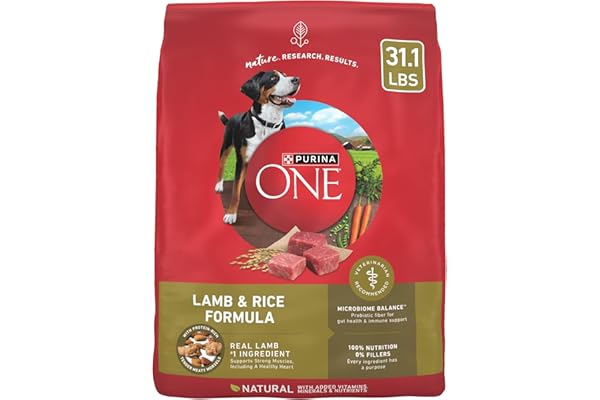
Purina ONE Dry Dog Food Lamb and Rice Formula, 31.1 lb — Hill's Science Diet Perfect Weight is the most appropriate baseline food for English Bulldogs. Its clinically proven weight-management formula (10% fat, 18% pro…
English Bulldogs are iconic, stubborn, affectionate dogs with a lifespan shorter than most comparable-sized breeds — typically 8–10 years. Their flat face, compressed nasal passages, and narrow trachea make them sensitive to heat and physically limited in exercise capacity. What they cannot burn through activity must be controlled at the food bowl. The breed's short stature and wide, compact body means adipose tissue accumulates quickly and is difficult to reverse. Proactive nutrition from puppyhood is far more effective than reactive weight management in adults.
Typical Weight
40–50 lbs
Lifespan
8–10 years
Energy Level
Low
Size Class
Medium
Daily Calories
1000–1200/day
Why Bulldogs Have Unique Nutritional Needs
Bulldogs have one of the lowest caloric requirements among medium-sized dogs because their activity levels are so restricted by brachycephalic anatomy. A controlled-calorie, moderate-protein diet with high fiber satiety is the target. Small or medium kibble size accommodates their underbite and wide jaw. Skin health ingredients (omega-3s, zinc, vitamin E) are nutritional priorities given how susceptible fold dermatitis is to dietary modulation.
Recommended Nutrition Targets for Bulldogs
🥩
Protein
min 22%
🐟
Fat
10–13%
⚡
Daily Calories
1000–1200/day
Targets based on AAFCO guidelines and breed-specific veterinary nutrition research. Adjust for individual dog weight, age, and activity level.
Common Bulldog Health Issues & How Diet Helps
Understanding your Bulldog's specific health risks allows you to choose a diet that provides targeted nutritional support — not just general adequacy.
1
Obesity
Bulldogs have an extremely low daily calorie requirement relative to their weight — roughly 1,000–1,200 calories for most adults — because they cannot exercise intensely. Weight management formulas with controlled fat (10–12%), higher fiber, and L-Carnitine are ideal. Avoid treating with high-calorie snacks. A Bulldog even 5 lbs overweight faces significantly elevated risks of breathing difficulty, joint pain, and overheating.
2
Skin Fold Dermatitis
The deep facial folds, tail pocket, and body wrinkles of English Bulldogs trap moisture, creating ideal conditions for bacterial and yeast infections. Diet directly influences skin barrier integrity. Omega-3 fatty acids (EPA and DHA from fish oil) strengthen the epidermal barrier and reduce inflammatory skin conditions. Zinc and vitamin E support keratinocyte turnover. If your Bulldog has chronic fold infections, a limited-ingredient diet trial can identify food allergens that worsen skin inflammation.
3
Hip Dysplasia
The Bulldog's wide, low-slung body conformation predisposes them to hip dysplasia. Glucosamine and chondroitin support cartilage health from adulthood. The most impactful dietary intervention remains weight control — the combination of hip dysplasia and obesity creates a painful, progressive cycle of immobility and further weight gain. Omega-3 supplementation reduces the inflammatory component of degenerative joint disease.
4
BOAS (Airway Issues)
Diet cannot correct structural airway problems, but maintaining lean body weight significantly reduces the fat deposits around the pharynx and larynx that worsen airway obstruction in brachycephalic breeds. Even modest weight loss of 2–3 lbs in an obese Bulldog can produce noticeable breathing improvement. Avoiding exercise in hot weather and not feeding large meals that distend the stomach (which can put upward pressure on the diaphragm) are diet-adjacent management strategies.
Purina ONE Lamb & Rice is a top choice for dogs with chicken sensitivities. Real lamb as the first ingredient provides a novel protein source that most sensitive dogs tolerate well.
Hill's Science Diet Perfect Weight is the most appropriate baseline food for English Bulldogs. Its clinically proven weight-management formula (10% fat, 18% protein, high fiber) addresses the breed's #1 nutritional challenge with feeding trial validation rather than marketing claims. Bulldogs fed this formula alongside appropriate portion control reach ideal body weight faster than dogs on generic adult formulas, according to Hill's published feeding trial data.
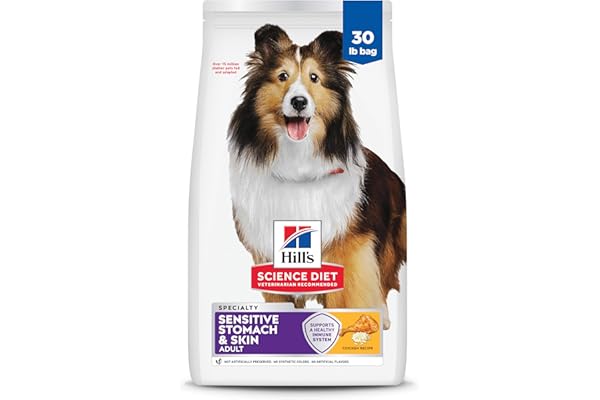
Hill's Science Diet Sensitive Stomach is clinically proven to improve digestive health in 30 days. Recommended by more vets than any other sensitive stomach formula.
Purina Pro Plan with live probiotics provides excellent digestive support for Bulldogs who experience gas and soft stools — common in the breed. The highly digestible chicken-and-rice formula passes through the GI tract cleanly with minimal fermentation. With 26% protein and consistently positive reviews for palatability even among picky Bulldogs, it's a solid everyday choice for healthy-weight adults.
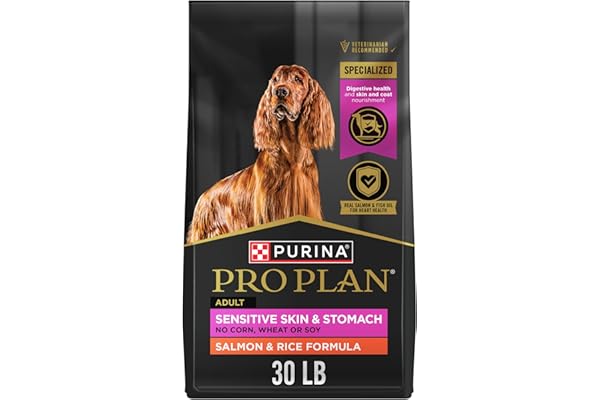
Purina Pro Plan Sensitive Skin & Stomach is Amazon's best-selling formula for dogs with digestive issues. The salmon and rice formula is gentle on sensitive stomachs and supports healthy skin.
Canidae PURE Salmon is the recommendation for Bulldogs with skin fold dermatitis or suspected food allergies. Salmon as the sole protein delivers natural EPA and DHA directly, with only 8 total ingredients eliminating common allergens. For Bulldogs with chronic wrinkle infections, itching, or hot spots that haven't responded to topical treatment alone, a dietary trial on Canidae PURE frequently produces meaningful improvement within 6–8 weeks.
Feeding frequency and portion size should evolve with your Bulldog's life stage. The guidelines below are starting points — adjust based on body condition score and your vet's recommendations.
🐾
Puppy
3x/day; medium-breed puppy formula; careful not to overfeed — obesity starts in puppyhood
🦴
Adult
2x/day; strict portion control; weigh kibble rather than using volume cups
❤️
Senior
2x/day; low-calorie senior formula from age 7; joint supplementation becomes important
Fun Fact: English Bulldogs cannot give birth naturally in the vast majority of cases — their puppies' large heads cannot pass through the mother's narrow birth canal, making c-sections nearly universal. This extreme conformation also influences dietary needs: because Bulldogs were bred for appearance rather than function, their nutritional management must compensate for the health deficits their conformation creates.
Ingredients Guide for Bulldogs
✓ Ingredients to Look For
named protein first (chicken, salmon)
controlled fat content (10–13%)
fish oil (EPA and DHA) for skin folds
L-Carnitine for fat metabolism
high fiber content (beet pulp, chicory)
vitamins E and zinc for skin integrity
✗ Ingredients to Avoid
artificial colors and dyes
corn syrup
excessive dietary fat (>14%)
low-quality fillers with poor satiety value
high-calorie treats and table food
Frequently Asked Questions: Bulldog Nutrition
Most adult English Bulldogs (40–50 lbs) need only 1,000–1,200 calories per day — significantly less than other dogs of the same weight because their exercise capacity is severely limited by brachycephalic anatomy. Calculate target calories using the formula: (dog's ideal weight in kg × 30) + 70, multiplied by 1.2–1.4 for a neutered adult. Ask your vet to confirm your Bulldog's ideal body weight as the starting point for this calculation.
Bulldogs gulp air when eating due to their flat-face anatomy (brachycephalic) and wide, short snout. This swallowed air contributes to both flatulence and burping. A slow-feeder bowl dramatically reduces gulping. Diet also matters: highly fermentable ingredients like legumes (peas, lentils) produce more intestinal gas. A formula with rice or oatmeal as the primary carbohydrate (instead of legumes) typically produces less gas. Live probiotics can help rebalance gut flora that contributes to excessive fermentation.
Yes — diet can meaningfully reduce the severity and frequency of skin fold dermatitis, though it cannot eliminate it without proper cleaning. Omega-3 fatty acids (EPA and DHA from fish oil) reduce the inflammatory component of skin infections. If food allergies are contributing — which they do in a significant portion of Bulldogs — a limited-ingredient novel-protein trial for 8–12 weeks can identify the trigger. Common culprits are chicken, beef, and dairy. Clean, simple formulas without artificial dyes reduce overall inflammatory burden.
Medium-sized kibble (roughly 10–14mm diameter) works best for most Bulldogs. Their wide, undershot jaw makes very small kibble difficult to chew effectively (they tend to swallow it whole) and large kibble can be awkward for their flat face to pick up. Some owners prefer slightly larger kibble specifically to slow eating and reduce gulping. Breeds-specific Bulldog formulas from Royal Canin are designed with the brachycephalic jaw geometry in mind if kibble shape is a significant concern.
Use the body condition score (BCS) on a 9-point scale. An ideal Bulldog (BCS 4–5/9) has ribs that are easily palpated with minimal fat covering, a slight waist tuck from above, and an abdominal tuck from the side. Because Bulldogs have wide, naturally barrel-shaped bodies, visual assessment alone can be misleading — physical palpation of the ribs is more reliable. If your vet scores your Bulldog above 6/9, dietary intervention is important: the combination of obesity and BOAS is significantly life-shortening for this breed.