Disclosure: KibbleAdvisor earns commissions on qualifying Amazon purchases at no extra cost to you. Our rankings are editorially independent. Learn more
Breed Guide · Dog Food
Best Dog Food for German Shepherds: 2026 Vet-Reviewed Picks
large breedhigh energy50–90 lbsLifespan: 9–13 years
German Shepherds have one of the most sensitive digestive systems of any large breed — exocrine pancreatic insufficiency (EPI) and small intestinal bacterial overgrowth (SIBO) affect this breed at rates far above average, making digestive health the cornerstone of German Shepherd nutrition. Their deep chest also puts them at elevated risk for bloat (gastric dilatation-volvulus), which requires specific feeding management practices.
Last updated: April 24, 2026 · By KibbleAdvisor Editorial Team
Our #1 Pick for German Shepherds
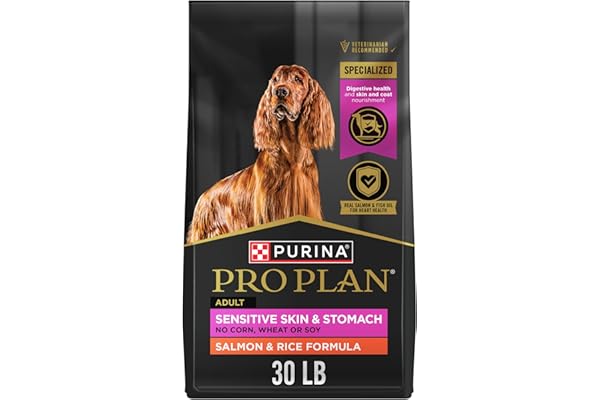
Purina Pro Plan Sensitive Skin and Stomach Dog Food, Adult Salmon & Rice, 30 lb — Purina Pro Plan Sensitive Skin & Stomach with salmon is a breed-specific recommendation for German Shepherds. Salmon as the primary protein is less commonly rea…
German Shepherds are one of the world's most versatile working breeds — deployed in police work, search and rescue, military operations, and service dog roles. Adults weigh 50–90 lbs and require substantial protein to maintain their lean, muscular build. They are intensely bonded to their owners and thrive with a consistent feeding routine. The breed's reputation for digestive sensitivity is well-earned: many German Shepherds experience soft stools, excessive gas, and intermittent vomiting that improves dramatically with the right diet.
Typical Weight
50–90 lbs
Lifespan
9–13 years
Energy Level
High
Size Class
Large
Daily Calories
1400–2000/day
Why German Shepherds Have Unique Nutritional Needs
German Shepherds need high-quality, highly digestible protein to support their muscular working build without taxing a digestive system that is often already under stress. Rice and oatmeal are typically better-tolerated carbohydrates than corn or wheat for this breed. Probiotic and prebiotic inclusion is particularly valuable — the GSD gut microbiome benefits measurably from consistent probiotic support. Feeding at least twice daily (ideally three times) is more important for bloat prevention than for any other breed.
Recommended Nutrition Targets for German Shepherds
🥩
Protein
min 26%
🐟
Fat
12–16%
⚡
Daily Calories
1400–2000/day
Targets based on AAFCO guidelines and breed-specific veterinary nutrition research. Adjust for individual dog weight, age, and activity level.
Common German Shepherd Health Issues & How Diet Helps
Understanding your German Shepherd's specific health risks allows you to choose a diet that provides targeted nutritional support — not just general adequacy.
1
Exocrine Pancreatic Insufficiency (EPI)
EPI is a condition where the pancreas fails to produce sufficient digestive enzymes, resulting in malabsorption, weight loss, and voluminous, pale stools despite adequate food intake. Dogs with EPI require pancreatic enzyme supplementation at every meal (typically Viokase or a generic powdered enzyme). Highly digestible, low-fiber diets work best — rice-based formulas are often recommended. Many EPI dogs do poorly on high-fat foods. If your German Shepherd is losing weight despite eating normally, EPI testing should be a priority.
2
Bloat (GDV)
GDV is a life-threatening emergency where the stomach fills with gas and twists. German Shepherds' deep, narrow chest increases risk. Feeding management reduces risk: feed two or three smaller meals rather than one large meal, avoid vigorous exercise within 90 minutes of eating, use a slow-feeder bowl to prevent gulping, and elevate the food bowl only if advised by your vet (research on elevated feeders is mixed). Avoid foods with high fermentable fiber content or large amounts of legumes that produce excess colonic gas.
3
Hip and Elbow Dysplasia
German Shepherds rank among the highest-risk breeds for both hip and elbow dysplasia. Glucosamine and chondroitin supplementation (or inclusion in food) from adulthood slows cartilage degradation. Fish oil supplementation reduces joint inflammation. For puppies, a large-breed puppy formula that controls growth rate is essential — rapid growth worsens the genetic predisposition for dysplasia.
4
Perianal Fistulas
Perianal fistulas are painful, chronic inflammatory lesions around the rectum that are disproportionately common in German Shepherds. Emerging research suggests a food allergy component — specifically to proteins like chicken and beef — may drive the condition in some dogs. A novel-protein or hydrolyzed protein diet is often prescribed alongside immunosuppressive medication. If your GSD has been diagnosed with perianal fistulas, discuss a dietary trial with your veterinary dermatologist.
Purina Pro Plan Sensitive Skin & Stomach is Amazon's best-selling formula for dogs with digestive issues. The salmon and rice formula is gentle on sensitive stomachs and supports healthy skin.
Purina Pro Plan Sensitive Skin & Stomach with salmon is a breed-specific recommendation for German Shepherds. Salmon as the primary protein is less commonly reactive than chicken for GSD digestive and immune systems. The formula pairs salmon with oatmeal — one of the most digestible carbohydrate sources available — and includes live probiotics for gut flora support. For a GSD with soft stools, gas, or intermittent vomiting, this formula frequently resolves symptoms without a prescription diet.
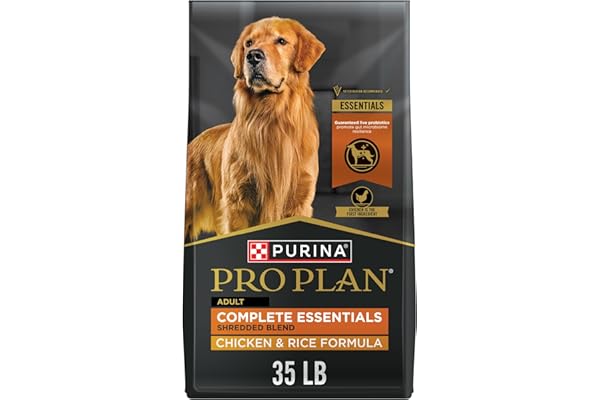
Purina Pro Plan is the most vet-recommended dry dog food in America. The shredded blend formula combines crunchy kibble with tender shredded pieces dogs find irresistible.
Wellness Simple Limited Ingredient with lamb and oatmeal uses a single animal protein and a single carbohydrate, making it the cleanest elimination diet option that doesn't require a veterinary prescription. Lamb is a less common protein in dog food history, making it novel for many GSDs. The oatmeal base is gentle and digestible. If perianal fistulas or food allergy is suspected, this is an excellent dietary trial starting point.
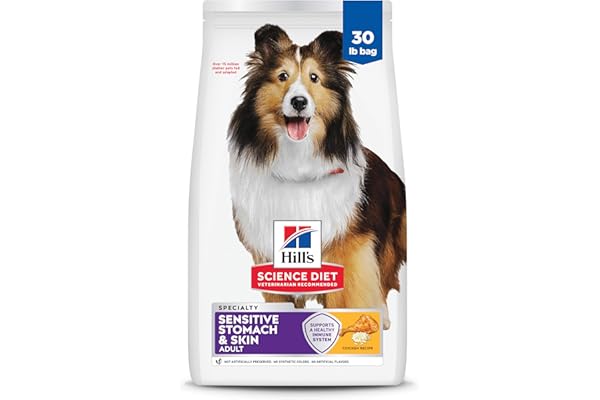
Hill's Science Diet Sensitive Stomach is clinically proven to improve digestive health in 30 days. Recommended by more vets than any other sensitive stomach formula.
Blue Buffalo Life Protection provides a strong all-around nutritional foundation for German Shepherds without identified digestive issues. Deboned chicken at 26% protein supports their active musculature, while glucosamine and chondroitin support the joints that carry their weight through demanding work or exercise. The LifeSource Bits provide antioxidant support — relevant for a breed with a higher incidence of autoimmune conditions.
Feeding frequency and portion size should evolve with your German Shepherd's life stage. The guidelines below are starting points — adjust based on body condition score and your vet's recommendations.
🐾
Puppy
3x/day; large-breed puppy formula required; avoid overfeeding to control growth rate
🦴
Adult
2–3x/day in smaller meals to reduce bloat risk; never one large daily meal
❤️
Senior
2x/day with easily digestible senior formula; enzyme supplementation if EPI diagnosed
Fun Fact: German Shepherds develop exocrine pancreatic insufficiency (EPI) at the highest rate of any breed — an estimated 1 in 70 German Shepherds will be diagnosed with EPI in their lifetime, compared to about 1 in 3,000 in the general dog population.
Ingredients Guide for German Shepherds
✓ Ingredients to Look For
highly digestible protein (chicken, salmon, lamb)
rice or oatmeal as primary carbohydrate
live probiotics (Lactobacillus acidophilus)
prebiotic fiber (chicory root, FOS)
glucosamine and chondroitin
fish oil for joint and coat health
✗ Ingredients to Avoid
high fermentable fiber (large amounts of legumes)
generic meat meals
artificial preservatives
corn and wheat (common triggers for sensitive GSDs)
foods with excessive fat for dogs prone to EPI
Frequently Asked Questions: German Shepherd Nutrition
Digestive issues in German Shepherds are extremely common and typically have three causes: food sensitivities (commonly chicken, beef, corn, or wheat), EPI (exocrine pancreatic insufficiency — inability to produce digestive enzymes), or SIBO (small intestinal bacterial overgrowth). Start by switching to a highly digestible single-protein formula like Purina Pro Plan Sensitive or Wellness Simple. If symptoms persist after a 4-week transition, ask your vet to run a TLI (trypsin-like immunoreactivity) blood test to screen for EPI.
Feed two or three smaller meals daily rather than one large meal. Avoid vigorous exercise for 90 minutes before and after eating. Use a slow-feeder or licki mat to reduce gulping. Avoid highly fermentable foods (legume-heavy grain-free formulas produce more gas). Some veterinarians recommend prophylactic gastropexy (surgical stomach tacking) for high-risk, deep-chested breeds — ask your vet if this is appropriate for your GSD.
Salmon and lamb are the most consistently well-tolerated proteins for German Shepherds with digestive sensitivity. Chicken and beef are the most common food allergens in dogs generally, and GSDs are no exception. Oatmeal and rice are preferable carbohydrate sources over corn and wheat. Start with a salmon-and-rice or lamb-and-oatmeal formula for at least 8 weeks (no other protein sources) to evaluate digestive response accurately.
Yes — this is essential and non-negotiable. German Shepherds are a large breed (50–90 lbs adult weight) that grow rapidly. Large-breed puppy formulas control calcium and phosphorus ratios and reduce caloric density to slow skeletal growth. Rapid growth dramatically increases the risk of hip dysplasia, osteochondrosis (OCD), and panosteitis (growing pains). Feed large-breed puppy food from 8 weeks until 18 months for most GSDs.
Degenerative myelopathy (DM) is a progressive neurological disease for which there is no curative treatment. Diet cannot reverse or halt DM, but maintaining a lean body weight reduces the mechanical burden on the already-compromised spinal cord. Anti-inflammatory nutrition (high omega-3s, antioxidant-rich foods) may modestly support neurological health. Some owners supplement with vitamin E, vitamin C, and selenium — always under veterinary guidance, as excessive vitamin supplementation can be harmful.