Disclosure: KibbleAdvisor earns commissions on qualifying Amazon purchases at no extra cost to you. Our rankings are editorially independent. Learn more

Breed Guide · Dog Food

Best Dog Food for German Shorthaired Pointers: 2026 Vet-Reviewed Picks

large breedvery high energy45–70 lbsLifespan: 10–12 years

German Shorthaired Pointers are among the highest-energy sporting dogs in existence — field-working GSPs can cover 30+ miles per day at sustained speed, requiring caloric and protein intakes that exceed most other breeds their size. Even companion GSPs maintained as active pets need significantly more food than sedentary breeds of equivalent weight to maintain lean muscle mass and fuel their perpetual motion.

Last updated: April 24, 2026 · By KibbleAdvisor Editorial Team

Our #1 Pick for German Shorthaired Pointers

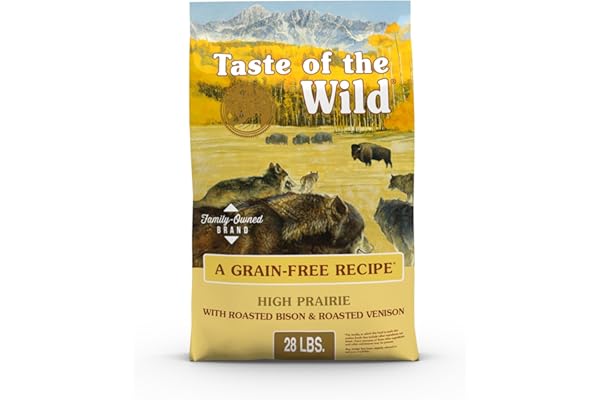
Taste of the Wild High Prairie Grain-Free Recipe with Roasted Bison and Venison, 28 lbORIJEN Original is the premium benchmark for working and active GSPs. With 38% protein from 15 animal sources and 85% animal ingredients, it provides the most b

Check Price on Amazon

German Shorthaired Pointer: Breed Overview

German Shorthaired Pointers are versatile hunting dogs bred to track, point, and retrieve across both land and water for an entire hunting day. In AKC field trial competition, they are one of the top-performing pointing breeds and consistently rank among the most athletically capable dogs evaluated. Adults weigh 45–70 lbs with a lean, muscular build and little to no body fat in working condition. They are affectionate, trainable, and intensely driven — dogs that need a job to be mentally satisfied. Without adequate physical and mental exercise, GSPs become destructive; their food intake should reflect their actual activity level, which varies dramatically between working dogs and house pets.

Typical Weight45–70 lbs
Lifespan10–12 years
Energy LevelVery high
Size ClassLarge
Daily Calories1600–2500/day (active); 1200–1600/day (companion)

Why German Shorthaired Pointers Have Unique Nutritional Needs

GSPs have the highest caloric and protein requirements on this list when working or actively competing. High fat (16–20%) is appropriate because fat is the primary fuel source for sustained aerobic activity — endurance work burns fat, not carbohydrates. Protein requirements are elevated to support the muscle repair demands of dogs that routinely work to muscle fatigue. For companion GSPs with moderate activity, these requirements scale down significantly — an under-exercised GSP on a performance formula can become overweight.

Recommended Nutrition Targets for German Shorthaired Pointers

Protein

min 28%

Fat

16–20%

Daily Calories

1600–2500/day (active); 1200–1600/day (companion)

Targets based on AAFCO guidelines and breed-specific veterinary nutrition research. Adjust for individual dog weight, age, and activity level.

Common German Shorthaired Pointer Health Issues & How Diet Helps

Understanding your German Shorthaired Pointer's specific health risks allows you to choose a diet that provides targeted nutritional support — not just general adequacy.

1

Bloat (GDV)

The GSP's deep, narrow chest creates significant GDV risk during high-intensity activity. Never feed a GSP immediately before or after vigorous exercise — enforce a minimum 90-minute buffer. Feed two or three smaller meals rather than one large feeding. Use slow-feeder bowls to reduce gulping. Discuss prophylactic gastropexy with your veterinarian if your GSP is used for field work or regularly engaged in intense exercise.

2

Hip Dysplasia

Despite their athletic leanness, GSPs are susceptible to hip dysplasia, particularly dogs bred from working lines where selection pressure has been on performance rather than hip geometry. Glucosamine and chondroitin from adulthood support cartilage health. Fish oil (EPA+DHA) reduces synovial inflammation. Large-breed puppy formulas during growth are important to control growth rate and reduce dysplasia risk.

3

Cardiac Disease (Subaortic Stenosis)

Subaortic stenosis (SAS) — a narrowing of the left ventricular outflow tract — is over-represented in GSPs. Given the FDA's concern about grain-free diets and DCM, choosing grain-inclusive formulas from brands with established cardiac safety records is particularly appropriate for a breed with known cardiac predisposition. Taurine sufficiency should be ensured through high-quality animal protein sources.

4

Sustained Athletic Performance

Working GSPs need sports-nutrition principles applied to dog feeding: high-quality protein (30%+) for muscle repair, moderate-to-high fat (16–20%) for sustained endurance fuel, and complex carbohydrates for glycogen replenishment. Performance formulas designed for working dogs (Hill's Science Diet Active, Purina Pro Plan Sport) are designed for these demands. Companion GSPs should eat appropriately for their actual activity level — many house GSPs are overfed based on the breed's "high energy" reputation.

Health concerns for this breed:

bloat / GDVhip dysplasialymphedemacardiac disease (subaortic stenosis)von Willebrand's disease

Quick Comparison: Top Dog Foods for German Shorthaired Pointers

All three formulas are vet-reviewed and selected specifically for the German Shorthaired Pointer's health profile. Scroll right on mobile to see all columns.

ProductRatingPriceProtein %Grain-FreeLife StageBuy

Taste of the Wild

Taste of the Wild High Prairie Grain-Free Recipe with Roasted Bison and Venison, 28 lb

Best Grain-Free
Best
$58.99
32%
adultBuy

Purina Pro Plan

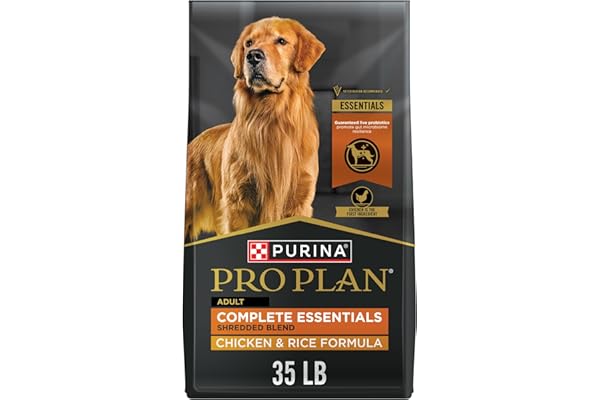
Purina Pro Plan Complete Essentials Shredded Blend Chicken and Rice Dog Food with Probiotics, 35 lb

Vet Recommended
$74.48
26%
adultBuy

Stella & Chewy's

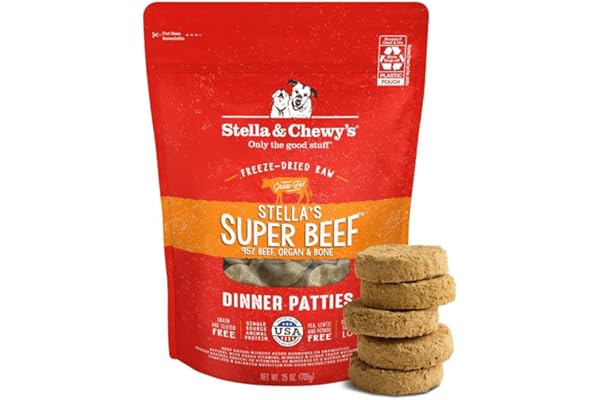
Stella & Chewy's Freeze-Dried Raw Dog Food, Beef Patties, Grain-Free, 25 oz

Premium Raw Pick
$56Lowest
42%Highest
adultBuy

Our Top 3 Dog Food Picks for German Shorthaired Pointers

1. Taste of the Wild High Prairie Grain-Free Recipe with Roasted Bison and Venison, 28 lb

Why it works for German Shorthaired Pointers

ORIJEN Original is the premium benchmark for working and active GSPs. With 38% protein from 15 animal sources and 85% animal ingredients, it provides the most bioavailable, nutrient-dense nutrition available in kibble form. The freeze-dried liver coating makes it exceptionally palatable for high-drive dogs after long work days. The high fat content (18%) from wild-caught fish supports the sustained aerobic metabolism GSPs use during field work. Note the grain-free status and discuss with your vet given cardiac concerns in the breed.


2. Purina Pro Plan Complete Essentials Shredded Blend Chicken and Rice Dog Food with Probiotics, 35 lb

Why it works for German Shorthaired Pointers

Instinct Raw Boost Grain-Free with freeze-dried raw pieces delivers 37% protein alongside actual raw nutrition — the closest to a species-appropriate diet available in a practical format for working dog owners. The freeze-dried raw pieces provide enzymatic nutrition that standard kibble processing destroys. At 37% protein and with raw-food nutrient density, this formula supports muscle recovery after demanding field days. Same grain-free cardiac monitoring note applies.


3. Stella & Chewy's Freeze-Dried Raw Dog Food, Beef Patties, Grain-Free, 25 oz

Why it works for German Shorthaired Pointers

Merrick Grain Free Real Chicken + Sweet Potato delivers 38% protein and 17% fat — macros appropriate for highly active GSPs at a lower price point than ORIJEN. Real deboned chicken leads the ingredient list, domestically sourced and manufactured. The sweet potato base provides digestible complex carbohydrate for glycogen replenishment. For working GSP owners who want performance-level nutrition without ORIJEN pricing, Merrick is the value alternative.

German Shorthaired Pointer Feeding Schedule

Feeding frequency and portion size should evolve with your German Shorthaired Pointer's life stage. The guidelines below are starting points — adjust based on body condition score and your vet's recommendations.

Puppy

3x/day; large-breed puppy formula to control growth rate; working training starts at 6+ months

Adult

2–3x/day in smaller portions; enforce 90-minute buffer before and after field work

Senior

2x/day from age 9+; maintain lean weight; reduce intake 15–20% as field work intensity decreases

Fun Fact: German Shorthaired Pointers hold multiple National Bird Dog Championship titles — they are one of only a handful of breeds capable of competing effectively as an all-purpose hunting dog across pointing, tracking, and waterfowl retrieval in a single trial, a physical versatility that demands nutritional support no single-purpose breed ever requires.

Ingredients Guide for German Shorthaired Pointers

✓ Ingredients to Look For

  • high-quality named protein 28%+ (chicken, beef, fish)
  • moderate-to-high fat (16–20% for working dogs)
  • complex carbohydrates for glycogen (rice, oatmeal)
  • glucosamine for joint support
  • fish oil (EPA and DHA)
  • antioxidants for post-exercise recovery (vitamin E, selenium)

✗ Ingredients to Avoid

  • low-quality protein sources
  • high fermentable fiber pre-exercise (bloat risk)
  • artificial additives and preservatives
  • formulas with fat too low for athletic energy demands (<14%)
  • grain-free legume-heavy formulas (cardiac concerns)

Frequently Asked Questions: German Shorthaired Pointer Nutrition

Field-working GSPs during hunting season may need 2,200–2,800 calories per day — significantly more than their off-season requirement of 1,400–1,800 calories. Adjust food intake seasonally based on activity. A practical approach: feed to maintain body condition (ribs easily palpable, visible waist) rather than a fixed cup amount. Performance kibbles with high caloric density mean you feed less volume for equivalent nutrition — important for dogs that may not want to eat large volumes after exhausting field days.
A companion GSP with 1–2 hours of daily exercise needs 25–28% protein and moderate fat, not the 35%+ performance formulas designed for field dogs. Overfeeding a companion GSP on a performance formula can cause obesity or excessive energy that manifests as destructive behavior. Match food to actual activity level — the "high energy breed" reputation does not mean every GSP needs a performance diet. Assess body condition monthly and adjust accordingly.
Feed a moderate meal 2–3 hours before hunting to allow full digestion and reduce GDV risk. Avoid large meals within 90 minutes of intense activity. During long hunting days, offer small amounts of water frequently (not large volumes at once) but withhold food until the work is complete. After returning, rest for 30 minutes before offering the post-work meal. Some working dog handlers split the daily ration across morning and evening with a small midday snack during active hunting days.
For working GSPs on quality kibble, fish oil supplementation (EPA+DHA totaling 3,000–4,000 mg/day for a 60-lb GSP) supports both joint health and post-exercise inflammatory recovery — the research on omega-3s for athletic dog recovery is reasonably robust. Glucosamine becomes relevant from age 4–5. Antioxidant support (vitamin E, selenium) is valuable for dogs generating significant free radicals through intense aerobic work. Avoid over-supplementing beyond these core additions without veterinary guidance.
GSPs that are genuinely underweight despite appropriate feeding may need a calorically denser formula. Switch to a performance formula (30%+ protein, 18%+ fat) if your GSP is truly active. Add a small amount of sardines in water (natural EPA/DHA) or cooked egg as a protein-rich topper. Rule out medical causes — intestinal parasites, EPI, and inflammatory bowel disease all cause weight loss despite adequate intake. A fecal exam and bloodwork panel (including TLI for EPI) should be the first step before increasing food.