Disclosure: KibbleAdvisor earns commissions on qualifying Amazon purchases at no extra cost to you. Our rankings are editorially independent. Learn more
Breed Guide · Dog Food
Best Dog Food for Golden Retrievers: 2026 Vet-Reviewed Picks
large breedhigh energy55–75 lbsLifespan: 10–12 years
Golden Retrievers face one of the highest cancer rates of any breed — roughly 60% will develop some form of cancer in their lifetime — making antioxidant-rich nutrition a meaningful part of preventive care. They also carry genetic predispositions to hip dysplasia and obesity, so high-quality protein, glucosamine, and calorie discipline matter from puppyhood through their senior years.
Last updated: April 24, 2026 · By KibbleAdvisor Editorial Team
Our #1 Pick for Golden Retrievers
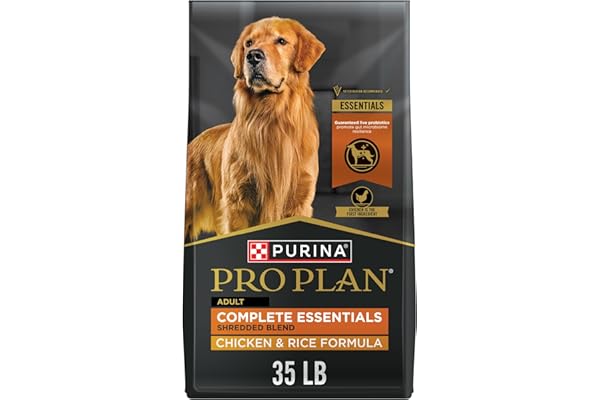
Purina Pro Plan Complete Essentials Shredded Blend Chicken and Rice Dog Food with Probiotics, 35 lb — Purina Pro Plan is the most widely vet-recommended dog food in America and an excellent baseline for Golden Retrievers. Its 26% chicken protein supports the bre…
Golden Retrievers are large, active, intensely food-motivated dogs that consistently rank among the top five most popular breeds in the United States. Adults weigh 55–75 lbs and require 1,300–1,700 calories per day depending on activity level. They are joyful eaters who will eat past fullness if given the opportunity, making portion control non-negotiable. Their golden coats, while beautiful, are also a signal of overall health — a dull, brittle coat is often the first visible indicator of nutritional deficiency or underlying health issues.
Typical Weight
55–75 lbs
Lifespan
10–12 years
Energy Level
High
Size Class
Large
Daily Calories
1300–1700/day
Why Golden Retrievers Have Unique Nutritional Needs
Golden Retrievers need high-quality protein (25%+) to maintain their substantial muscle mass and active lifestyle. The fat content should support a glossy coat without pushing them into caloric surplus — 12–16% is the target range. Given their cancer susceptibility, foods with natural antioxidants (vitamins E and C, selenium from selenomethionine) from whole-food sources offer the most benefit. Glucosamine and chondroitin are non-negotiable for this breed starting around age 4–5, or immediately if there's any joint laxity noted on hip evaluation.
Recommended Nutrition Targets for Golden Retrievers
🥩
Protein
min 25%
🐟
Fat
12–16%
⚡
Daily Calories
1300–1700/day
Targets based on AAFCO guidelines and breed-specific veterinary nutrition research. Adjust for individual dog weight, age, and activity level.
Common Golden Retriever Health Issues & How Diet Helps
Understanding your Golden Retriever's specific health risks allows you to choose a diet that provides targeted nutritional support — not just general adequacy.
1
Cancer
While no food prevents cancer, antioxidant-rich diets may reduce oxidative stress that contributes to cellular damage. Look for foods with vitamin E, vitamin C, selenium, and beta-carotene from whole-food sources like blueberries and sweet potato. Omega-3 fatty acids (EPA and DHA) have demonstrated anti-inflammatory effects in multiple peer-reviewed studies on cancer-prone dogs. Avoid highly processed, additive-laden foods that introduce unnecessary oxidative burden.
2
Hip and Elbow Dysplasia
Glucosamine (minimum 400 mg/day) and chondroitin sulfate support cartilage synthesis and slow degenerative joint changes. Foods that include these from natural sources (cartilage, trachea) offer superior bioavailability compared to synthetic supplements. Omega-3 fatty acids reduce synovial joint inflammation, directly reducing pain. Maintaining lean body weight is the most impactful single intervention — every extra pound adds four pounds of force on hip joints.
3
Hypothyroidism
Goldens develop hypothyroidism at higher rates than most breeds. The thyroid gland relies on iodine and selenium — both present in quality commercial dog foods. Avoid raw goitrogenic vegetables (broccoli, cabbage, kale) in large amounts, which can impair thyroid function. If your Golden is on thyroid medication, feed at consistent times as the drug interacts with food timing.
4
Skin Allergies
Goldens can develop environmental and food allergies that manifest as hot spots, paw licking, and ear infections. Omega-3 supplementation from fish oil builds a stronger skin barrier. If food allergy is suspected, a limited-ingredient novel protein trial (salmon, duck, venison) for 8–12 weeks is diagnostic. Many Goldens do well on salmon-based formulas year-round for coat quality alone.
Health concerns for this breed:
cancer (hemangiosarcoma, lymphoma, osteosarcoma)hip and elbow dysplasiaobesityhypothyroidismskin allergies
Quick Comparison: Top Dog Foods for Golden Retrievers
All three formulas are vet-reviewed and selected specifically for the Golden Retriever's health profile. Scroll right on mobile to see all columns.
Product
Rating
Price
Protein %
Grain-Free
Life Stage
Buy
Purina Pro Plan
Purina Pro Plan Complete Essentials Shredded Blend Chicken and Rice Dog Food with Probiotics, 35 lb
Purina Pro Plan is the most vet-recommended dry dog food in America. The shredded blend formula combines crunchy kibble with tender shredded pieces dogs find irresistible.
Purina Pro Plan is the most widely vet-recommended dog food in America and an excellent baseline for Golden Retrievers. Its 26% chicken protein supports the breed's active muscles, and the live probiotic blend (Lactobacillus acidophilus) addresses the digestive sensitivity many Goldens develop with age. Backed by AAFCO feeding trials and decades of Golden-specific palatability data, this is the safe, science-backed choice.
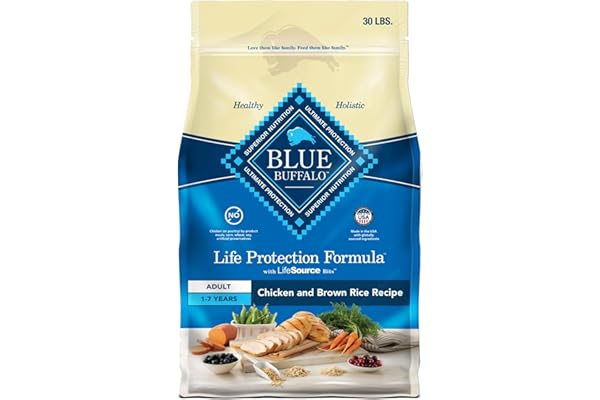
Blue Buffalo Life Protection is the #1 best-selling dry dog food on Amazon. Made with real deboned chicken and whole grains with their exclusive LifeSource Bits blend.
Blue Buffalo Life Protection is particularly well-suited for Golden Retrievers because it includes glucosamine and chondroitin directly in the formula — not as afterthought supplements. The LifeSource Bits deliver a cold-formed antioxidant blend that protects potency. Deboned chicken leads the ingredient list at 26% protein, and the absence of corn, wheat, soy, and by-product meals aligns with the clean-ingredient preference of most Golden owners.
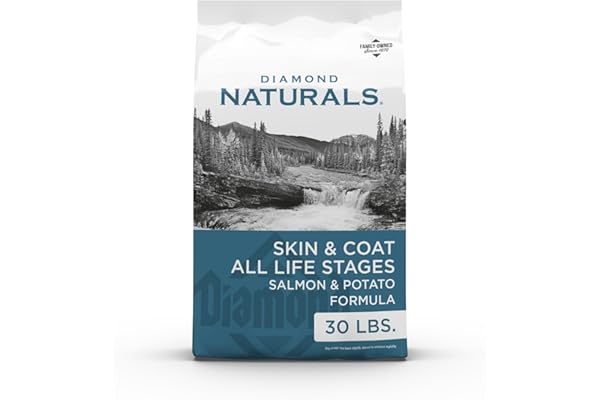
Diamond Naturals Skin & Coat uses wild-caught salmon and omega fatty acids to promote a visibly healthier coat in as little as 30 days. Excellent value at under $1.50 per pound.
ORIJEN Original delivers 38% protein from 15 premium animal sources — the highest-quality kibble on this list and one of the most nutrient-dense options available. The freeze-dried liver coating makes it irresistible even to picky Goldens. With 85% animal ingredients and no grains, the omega-3 load from wild-caught fish is substantial. For owners who want the absolute best for a cancer-prone breed, ORIJEN is the premium benchmark.
Feeding frequency and portion size should evolve with your Golden Retriever's life stage. The guidelines below are starting points — adjust based on body condition score and your vet's recommendations.
🐾
Puppy
3x/day until 6 months; use large-breed puppy formula to control growth rate
🦴
Adult
2x/day; measure cups carefully — Goldens will overeat
❤️
Senior
2x/day with senior formula from age 8+; reduce by 10–15% if activity declines
Fun Fact: A landmark Morris Animal Foundation study tracking over 3,000 Golden Retrievers found that dogs fed raw or home-cooked diets had different gut microbiome profiles than kibble-fed dogs, with ongoing research exploring whether these differences correlate with the breed's unusually high cancer incidence.
Ingredients Guide for Golden Retrievers
✓ Ingredients to Look For
named protein (chicken, salmon, lamb) as first ingredient
Frequently Asked Questions: Golden Retriever Nutrition
Adult Golden Retrievers (55–75 lbs) typically need 3 to 4 cups of a high-quality kibble per day, split across two meals. This translates to roughly 1,300–1,700 calories. Active dogs on the higher end, sedentary or older dogs on the lower. Use the calorie count (kcal/cup) on the bag rather than the cup-volume chart, and adjust every 4–6 weeks based on body condition. You should be able to feel your Golden's ribs without pressing hard.
No food has been proven to prevent the cancers Golden Retrievers are prone to (hemangiosarcoma, lymphoma, osteosarcoma). However, research on canine oncology consistently identifies oxidative stress and chronic inflammation as contributing factors. Diets rich in omega-3 fatty acids, vitamin E, selenium, and natural antioxidants from whole foods can reduce these markers. Avoiding highly processed foods with artificial preservatives like BHA/BHT is a reasonable precaution given current evidence.
Choose a food that provides at least 400 mg of glucosamine and 50 mg of chondroitin per 1,000 kcal. Blue Buffalo Life Protection, Purina Pro Plan Joint Health, and Wellness Complete Health all meet this threshold. Supplement with fish oil (EPA+DHA totaling 2,000–3,000 mg/day for a 65-lb Golden) to reduce joint inflammation. Maintaining a lean body weight is the single most impactful intervention — every extra pound significantly increases joint load.
Yes — absolutely. Large-breed puppy formulas are specifically formulated to slow growth rate, which is critical for Golden Retrievers. Fast growth in large breeds causes bones to develop faster than the supporting cartilage and tendons, dramatically increasing the risk of hip dysplasia and OCD (osteochondritis dissecans). Look for a calcium-to-phosphorus ratio near 1.2:1 and avoid "all life stages" formulas that are often too calorie-dense for controlled large-breed growth.
Golden Retrievers are genetically predisposed to food motivation — it's a trait selectively reinforced through retriever working lines. They will almost always appear hungry regardless of how much they've eaten. This is normal behavior, not hunger. The correct response is disciplined portion control, not increasing food. If your Golden is gaining weight on correct portions, transition to a weight-management formula and confirm there are no treats or table scraps inflating the calorie count.