Disclosure: KibbleAdvisor earns commissions on qualifying Amazon purchases at no extra cost to you. Our rankings are editorially independent. Learn more
Breed Guide · Dog Food
Best Dog Food for Labrador Retrievers: 2026 Vet-Reviewed Picks
large breedhigh energy55–80 lbsLifespan: 10–12 years
Labrador Retrievers carry a documented genetic mutation in the POMC gene that disrupts the normal satiety signal, meaning many Labs are biologically programmed to feel perpetually hungry regardless of how much they eat. This makes weight management the defining nutritional challenge for the breed — obesity affects an estimated 59% of adult Labs in the United States.
Last updated: April 24, 2026 · By KibbleAdvisor Editorial Team
Our #1 Pick for Labrador Retrievers
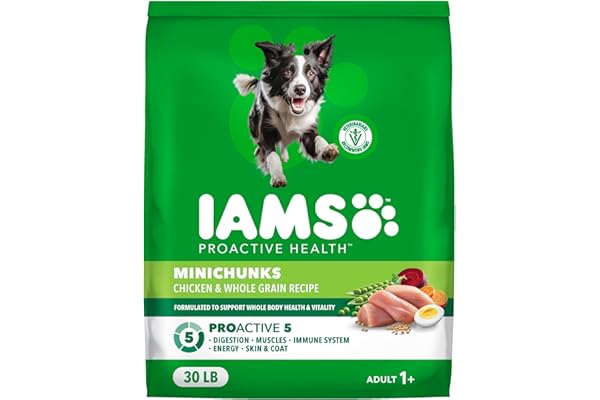
IAMS Proactive Health Adult Minichunks Premium Dry Dog Food, 30 lb — Hill's Science Diet Perfect Weight is designed precisely for the challenge Labs present: maximum satiety at minimum calories. The formula uses a high-fiber, hig…
Labrador Retrievers have held the title of America's most popular dog for over three decades. Adults range from 55–80 lbs and were originally bred for waterfowl retrieval — demanding, athletic work that kept them lean in working environments. Modern Labs are predominantly companion dogs with far lower activity demands, creating a mismatch between their food drive and their calorie needs. The breed's exceptional trainability (driven partly by food motivation) is both their greatest attribute and their biggest dietary liability.
Typical Weight
55–80 lbs
Lifespan
10–12 years
Energy Level
High
Size Class
Large
Daily Calories
1300–1800/day
Why Labrador Retrievers Have Unique Nutritional Needs
Labs need high protein to maintain their athletic musculature but controlled fat to prevent the weight gain their appetite drives. A fat ceiling of 14% combined with higher fiber content (3–5%) produces the best satiety-to-calorie ratio. For Labs with the POMC mutation, weight-management formulas (designed specifically around reduced caloric density) may be necessary from early adulthood. Glucosamine is a must-add from age 4 onward given joint predispositions.
Recommended Nutrition Targets for Labrador Retrievers
🥩
Protein
min 25%
🐟
Fat
10–14%
⚡
Daily Calories
1300–1800/day
Targets based on AAFCO guidelines and breed-specific veterinary nutrition research. Adjust for individual dog weight, age, and activity level.
Common Labrador Retriever Health Issues & How Diet Helps
Understanding your Labrador Retriever's specific health risks allows you to choose a diet that provides targeted nutritional support — not just general adequacy.
1
Obesity
The POMC gene mutation, found in roughly 23% of Labs, causes a failure to produce beta-MSH and beta-endorphin — hormones that signal fullness after eating. Affected dogs appear constantly hungry because they never receive the satiety signal. For these dogs, calorie-controlled formulas with high fiber content (beet pulp, psyllium) are essential. L-Carnitine supports fat metabolism. Puzzle feeders and slow-feeder bowls extend meal duration and reduce gulping.
2
Hip and Elbow Dysplasia
Labs are one of the highest-risk breeds for both hip and elbow dysplasia. Glucosamine (400+ mg/day) and chondroitin are foundational supplements — choose foods that include them in the formula rather than relying solely on aftermarket capsules. Fish oil supplementation (2,000–4,000 mg EPA+DHA for a 70-lb Lab) reduces synovial inflammation. Weight control is more impactful than any supplement — a Lab at ideal body weight lives longer with less joint pain than an overweight Lab taking every joint supplement available.
3
Exercise-Induced Collapse (EIC)
EIC is a genetic neurological condition triggered by intense exercise in some Labs. Diet doesn't cause EIC, but maintaining lean body weight reduces the cardiovascular strain on affected dogs. Avoid high-fat pre-exercise meals that can exacerbate collapse episodes. Some EIC-affected Labs are managed partly through diet by avoiding intense exercise windows after large meals.
4
Skin and Ear Allergies
Labs develop food and environmental allergies at significant rates. Chronic ear infections (otitis externa) are often yeast-based and linked to food-triggered inflammation. A trial with salmon or novel-protein formulas for 8–12 weeks can determine whether diet is contributing. Omega-3 fatty acids from fish oil strengthen the skin barrier and reduce the inflammatory response that triggers itching and ear flare-ups.
Health concerns for this breed:
obesityhip and elbow dysplasiaexercise-induced collapse (EIC)progressive retinal atrophyskin and ear allergies
Quick Comparison: Top Dog Foods for Labrador Retrievers
All three formulas are vet-reviewed and selected specifically for the Labrador Retriever's health profile. Scroll right on mobile to see all columns.
Product
Rating
Price
Protein %
Grain-Free
Life Stage
Buy
IAMS
IAMS Proactive Health Adult Minichunks Premium Dry Dog Food, 30 lb
IAMS Proactive Health has the most reviews of any dog food on Amazon's Best Sellers list — over 31,000 verified ratings. Trusted by millions of dog owners for consistent quality at a fair price.
Hill's Science Diet Perfect Weight is designed precisely for the challenge Labs present: maximum satiety at minimum calories. The formula uses a high-fiber, high-protein approach (18% protein, 10% fat) with L-Carnitine for fat metabolism support. It's clinically proven to achieve a healthy weight in 10 weeks when fed as directed — an important claim backed by actual feeding trial data. For Labs with the POMC mutation or visible weight issues, this is the recommended starting point.
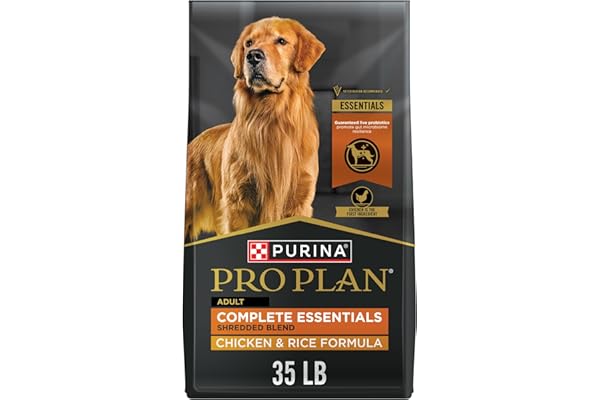
Purina Pro Plan is the most vet-recommended dry dog food in America. The shredded blend formula combines crunchy kibble with tender shredded pieces dogs find irresistible.
Blue Buffalo Life Protection provides the glucosamine and chondroitin Labs need for joint protection alongside 26% chicken protein for muscle maintenance. The LifeSource Bits add a cold-formed antioxidant blend that supports immune health — relevant in Labs predisposed to progressive retinal atrophy. No by-product meals, corn, wheat, or soy means fewer potential allergy triggers for Labs with known sensitivities.
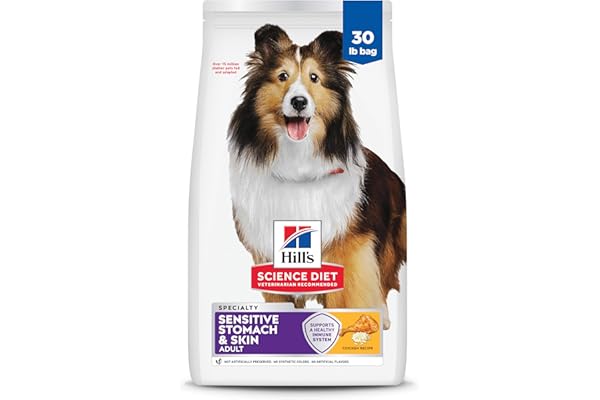
Hill's Science Diet Sensitive Stomach is clinically proven to improve digestive health in 30 days. Recommended by more vets than any other sensitive stomach formula.
Purina Pro Plan is the benchmark formula recommended by more veterinarians than any other brand. For healthy-weight Labs without specific medical needs, it delivers 26% real chicken protein, live probiotics for digestive health, and consistent batch quality backed by decades of AAFCO feeding trials. The 4.8-star rating across 27,000+ Amazon reviews reflects palatability even in notoriously food-obsessed Labs — they won't turn it down.
Feeding frequency and portion size should evolve with your Labrador Retriever's life stage. The guidelines below are starting points — adjust based on body condition score and your vet's recommendations.
🐾
Puppy
3x/day until 6 months; large-breed puppy formula mandatory to control growth rate
🦴
Adult
2x/day; measure precisely with a digital scale — do not free feed under any circumstances
❤️
Senior
2x/day with reduced-calorie senior formula from age 7+; reduce portion if activity declines
Fun Fact: The POMC gene mutation linked to obesity in Labradors was first identified by Cambridge researchers in 2016. Interestingly, the same mutation is significantly more common in Labrador Retrievers used as assistance dogs — suggesting that the heightened food motivation associated with the mutation may have been inadvertently selected for during guide dog breeding programs.
Ingredients Guide for Labrador Retrievers
✓ Ingredients to Look For
named protein as first ingredient (chicken, lamb, salmon)
L-Carnitine
glucosamine and chondroitin
fish oil (EPA and DHA)
high fiber (beet pulp, chicory root)
controlled caloric density (<380 kcal/cup for weight management)
Approximately 23% of Labrador Retrievers carry a mutation in the POMC gene that disrupts the normal production of satiety hormones. These dogs never receive a proper "full" signal from their brain after eating. This is a biological condition, not behavioral greed. The practical response is disciplined portion feeding (no free feeding, no extra treats), slow-feeder bowls to extend meal time, and high-fiber formulas that maximize physical stomach volume per calorie consumed.
The body condition score (BCS) is the gold standard. At ideal weight, you should be able to feel your Lab's ribs without pressing through fat, the waist should be visible from above, and there should be an abdominal tuck visible from the side. If you cannot feel the ribs without significant pressure, or there's no visible waist, your Lab is likely overweight. Ask your vet to show you how to score your dog's BCS at your next visit — it takes 30 seconds and sets a measurable baseline.
Prioritize foods with at least 400 mg of glucosamine and 50 mg of chondroitin per 1,000 kcal. Blue Buffalo Life Protection and Purina Pro Plan Joint Health both meet this threshold. Add fish oil separately (Nordic Naturals Omega-3 is a common vet-recommended brand) targeting 2,000–4,000 mg of combined EPA and DHA daily for a 60–80 lb Lab. Most importantly: achieve and maintain ideal body weight. Joint supplements cannot compensate for the mechanical damage caused by carrying excess weight.
Yes — this is essential. Large-breed puppy formulas limit calcium and phosphorus to appropriate ranges and control caloric density to slow growth rate. Labs that grow too quickly (from either overfeeding or eating all-life-stages food) have higher rates of hip dysplasia and osteochondrosis (OCD) than those grown on controlled large-breed puppy nutrition. Feed large-breed puppy food until 12–15 months, then transition to an adult formula.
Yes, potentially. Recurrent otitis externa (especially yeast-based ear infections) in Labs is often inflammation-driven, and food allergies are a contributing factor in a meaningful percentage of cases. The most common food triggers are chicken, beef, and dairy. A salmon-based or novel-protein limited-ingredient diet trial for 8–12 weeks (strict — no other food sources) can determine whether diet is the driver. If infections resolve or significantly reduce during the trial, a food allergy diagnosis is strongly supported.