Disclosure: KibbleAdvisor earns commissions on qualifying Amazon purchases at no extra cost to you. Our rankings are editorially independent. Learn more

Breed Guide · Dog Food

Best Dog Food for Poodles: 2026 Vet-Reviewed Picks

medium breedhigh energy40–70 lbs (Standard); 10–15 lbs (Miniature); 4–6 lbs (Toy)Lifespan: 12–15 years

Poodles are one of the most intelligent and athletically capable breeds across all three size variants, with a fast metabolism that demands high-quality protein to fuel active minds and bodies. Their distinctive ear anatomy — long, drop ears with a hair-filled canal — creates a warm, moist environment prone to chronic infections that respond directly to dietary omega-3 levels and the presence of food allergens.

Last updated: April 24, 2026 · By KibbleAdvisor Editorial Team

Our #1 Pick for Poodles

Diamond Naturals Skin & Coat Real Salmon and Potato Recipe Dry Dog Food, 30 lbORIJEN Original delivers 38% protein from 15 premium animal sources — the highest-quality kibble available for the Poodle's protein-demanding metabolism. Wild-c

Check Price on Amazon

Poodle: Breed Overview

Poodles exist in three AKC-recognized sizes — Standard, Miniature, and Toy — but share nearly identical nutritional profiles scaled to body weight. Standard Poodles (40–70 lbs) are large athletic dogs with energy outputs rivaling sporting breeds. Miniature and Toy Poodles are small but intensely active and require calorie-dense, protein-forward formulas despite their size. All three variants share the same coat structure, ear anatomy, and predispositions to certain health conditions. The Poodle's exceptional longevity (12–15+ years) means the cumulative effect of diet quality matters more than in shorter-lived breeds.

Typical Weight40–70 lbs (Standard); 10–15 lbs (Miniature); 4–6 lbs (Toy)
Lifespan12–15 years
Energy LevelHigh
Size ClassMedium
Daily Calories1400–1800/day (Standard); 400–600/day (Miniature/Toy)

Why Poodles Have Unique Nutritional Needs

Poodles have an active metabolism that rewards high-protein, moderate-fat nutrition. Standard Poodles are prone to bloat and should be fed at least twice daily in controlled portions. Miniature and Toy Poodles need small kibble sizes appropriate for their jaw structure. All three variants benefit from omega-3 fatty acid inclusion for ear health and coat condition — Poodle coats are non-shedding and continuously growing, which creates ongoing nutritional demands. Antioxidant-rich formulas support their above-average longevity.

Recommended Nutrition Targets for Poodles

Protein

min 26%

Fat

14–18%

Daily Calories

1400–1800/day (Standard); 400–600/day (Miniature/Toy)

Targets based on AAFCO guidelines and breed-specific veterinary nutrition research. Adjust for individual dog weight, age, and activity level.

Common Poodle Health Issues & How Diet Helps

Understanding your Poodle's specific health risks allows you to choose a diet that provides targeted nutritional support — not just general adequacy.

1

Ear Infections

Poodle ear canals are warm, humid, and hair-lined — an ideal environment for Malassezia yeast and bacterial overgrowth. Food allergies frequently trigger or worsen ear infections by driving systemic inflammation. Omega-3 fatty acids from fish oil (EPA and DHA) reduce the inflammatory response in ear tissue. If your Poodle has chronic ear issues, a novel-protein limited-ingredient diet trial for 8–12 weeks is the appropriate diagnostic step. Common culprits include chicken, beef, and dairy.

2

Dental Disease

Miniature and Toy Poodles are prone to dental crowding and periodontal disease due to their small jaw structure with full-sized teeth. Dry kibble with a texture that promotes mechanical scrubbing helps, but kibble alone is insufficient for dental health. The real dietary intervention is avoiding sugary treats and high-carbohydrate snacks that feed oral bacteria. Daily tooth brushing remains the gold standard — diet is a supporting measure, not a substitute.

3

Addison's Disease (Hypoadrenocorticism)

Standard Poodles develop Addison's disease at significantly elevated rates. While diet does not cause or cure Addison's, dogs on DOCP and prednisone management need consistent feeding schedules (steroids affect glucose metabolism). High-quality, easily digestible protein reduces the stress on an adrenal system that already underperforms. Avoid fasting or irregular feeding — consistent meal timing supports the synthetic hormones these dogs depend on.

4

Progressive Retinal Atrophy

PRA is a genetic condition causing progressive blindness. Antioxidants — particularly lutein, zeaxanthin, vitamin E, and vitamin C — are associated with slower retinal degeneration in some research. While no diet reverses PRA, foods with antioxidant-rich whole-food inclusions (blueberries, spinach, carrots) may support retinal cell health. DHA specifically supports neuronal membrane integrity, including retinal photoreceptors.

Health concerns for this breed:

ear infections (otitis externa)progressive retinal atrophyAddison's diseasebloat (Standard Poodles)dental disease (Miniature and Toy)

Quick Comparison: Top Dog Foods for Poodles

All three formulas are vet-reviewed and selected specifically for the Poodle's health profile. Scroll right on mobile to see all columns.

ProductRatingPriceProtein %Grain-FreeLife StageBuy

Diamond Naturals

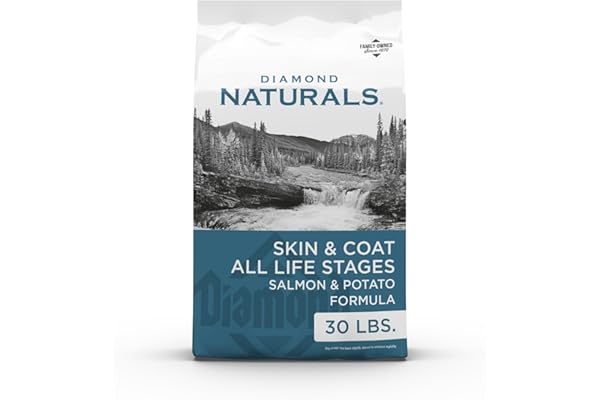
Diamond Naturals Skin & Coat Real Salmon and Potato Recipe Dry Dog Food, 30 lb

Best for Coat Health
$43.99
27%Highest
adultBuy

Purina Pro Plan

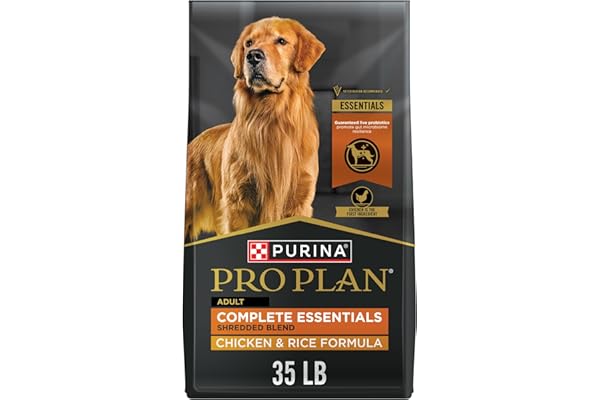
Purina Pro Plan Complete Essentials Shredded Blend Chicken and Rice Dog Food with Probiotics, 35 lb

Vet Recommended
$74.48
26%
adultBuy

Hill's Science Diet

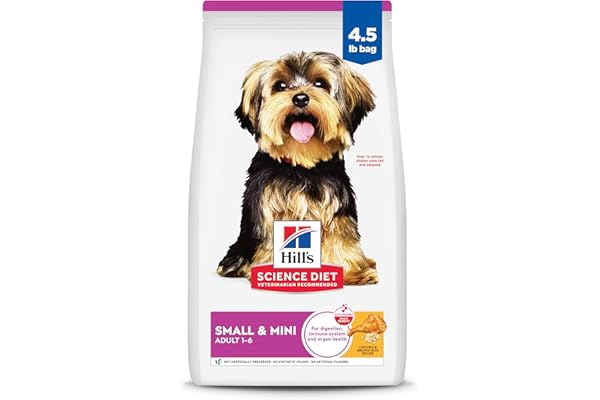
Hill's Science Diet Adult Small & Mini Dry Dog Food, Chicken & Brown Rice, 4.5 lb

Best for Small Breeds
Best
$23.99Lowest
22%
adultBuy

Our Top 3 Dog Food Picks for Poodles

1. Diamond Naturals Skin & Coat Real Salmon and Potato Recipe Dry Dog Food, 30 lb

Why it works for Poodles

ORIJEN Original delivers 38% protein from 15 premium animal sources — the highest-quality kibble available for the Poodle's protein-demanding metabolism. Wild-caught fish in the formula contributes substantial natural EPA and DHA, supporting the ear canal inflammation reduction that matters so much for this breed. For Standard Poodles especially, the high bioavailable nutrient density means less food volume is needed to meet nutritional targets, which moderately reduces bloat risk.


2. Purina Pro Plan Complete Essentials Shredded Blend Chicken and Rice Dog Food with Probiotics, 35 lb

Why it works for Poodles

Wellness CORE Grain-Free with 34% protein and deboned turkey and chicken hits the high-protein target Poodles thrive on. The added probiotics and guaranteed omega-3 and omega-6 fatty acids make it particularly well-suited for Poodles with chronic ear issues. No artificial additives and USA manufacturing give owners transparency. The formula works across all three Poodle sizes with appropriate portion adjustments.


3. Hill's Science Diet Adult Small & Mini Dry Dog Food, Chicken & Brown Rice, 4.5 lb

Why it works for Poodles

Royal Canin Size Health Medium is calibrated specifically for dogs in the 24–59 lb range — squarely aligned with Standard Poodle weight. The formula's tailored kibble size and digestibility are engineered for medium-breed palatability and dental contact. For Poodle owners who want size-specific precision over raw nutritional density, Royal Canin's breed-science approach is unmatched in the mainstream market.

Poodle Feeding Schedule

Feeding frequency and portion size should evolve with your Poodle's life stage. The guidelines below are starting points — adjust based on body condition score and your vet's recommendations.

Puppy

3x/day; small-breed puppy for Miniature/Toy; large-breed puppy for Standard Poodle

Adult

2x/day; measured portions — Poodles are rarely obese but can gain weight if undertexercised

Senior

2x/day from age 9+ with reduced-calorie senior formula; dental care increasingly important

Fun Fact: Standard Poodles were originally bred as waterfowl retrievers in Germany, not as show dogs — their distinctive continental clip evolved to protect vital organs and joints in cold water while allowing freedom of movement during swimming retrieval work.

Ingredients Guide for Poodles

✓ Ingredients to Look For

  • high-quality named protein (chicken, salmon, duck)
  • fish oil (DHA and EPA)
  • vitamin E and antioxidant-rich whole foods
  • probiotic cultures for digestive and ear health
  • appropriate kibble size (small for Miniature/Toy)
  • glucosamine for Standard Poodles over age 6

✗ Ingredients to Avoid

  • artificial colors and dyes (potential allergy trigger)
  • low-quality fat sources (generic "animal fat")
  • corn syrup
  • excessive carbohydrates without protein balance
  • BHA / BHT preservatives

Frequently Asked Questions: Poodle Nutrition

Start with a limited-ingredient novel-protein diet (salmon, duck, or venison) eliminating chicken, beef, and dairy — the most common dietary ear infection triggers. Feed this exclusively for 8–12 weeks with zero treats or table food. If ear infections resolve or significantly reduce, a food allergy is confirmed. Supplement with fish oil (EPA+DHA) to reduce ear canal inflammation regardless of food choice. Ear cleaning frequency and technique also matter — ask your vet to show you the correct method.
Adult Standard Poodles (45–70 lbs) typically need 3 to 4 cups of a quality adult kibble daily, split across two meals. This delivers roughly 1,400–1,800 calories. Active, working, or agility-trained Standard Poodles may need 20–30% more. Use the kcal/cup count on the bag rather than the cup chart, target body condition over cup volume, and reassess every 4–6 weeks. A healthy Standard Poodle should have a visible waist from above and palpable ribs without pressing through fat.
Grain-free food is appropriate for Poodles with confirmed grain allergies (uncommon) but unnecessary for healthy Poodles without identified sensitivities. The FDA investigation into grain-free diets and dilated cardiomyopathy (DCM) has been particularly noted in Standard Poodles — a breed listed in the FDA's report. Until the investigation is resolved, choosing grain-inclusive formulas from brands with established cardiac safety records (Purina, Hill's, Royal Canin) is the lower-risk approach for Standard Poodles specifically.
Poodle coats are non-shedding and continuously growing — a trait that places ongoing nutritional demands on the body. Omega-3 and omega-6 fatty acids support coat quality, moisture retention, and reduced breakage. Biotin and zinc support keratin production in hair follicles. Most quality kibbles meet baseline requirements, but supplementing with fish oil (EPA+DHA) often produces a visibly softer, shinier, more manageable Poodle coat within 4–6 weeks of consistent use.
Toy Poodles are notoriously selective eaters. Warm a small amount of low-sodium chicken broth to add aroma without extra calories. Try rotating between two or three quality proteins (chicken, salmon, duck) if one protein is rejected. Avoid free-feeding — scheduled mealtimes create hunger motivation. Wet food mixed with kibble in a 25/75 ratio can transition a picky eater onto a nutritionally balanced dry diet. Never add table food as a long-term solution — it creates precedent-based pickiness that's difficult to reverse.