Disclosure: KibbleAdvisor earns commissions on qualifying Amazon purchases at no extra cost to you. Our rankings are editorially independent. Learn more
Breed Guide · Dog Food
Best Dog Food for Rottweilers: 2026 Vet-Reviewed Picks
large breedhigh energy80–135 lbsLifespan: 9–10 years
Rottweilers are powerful, muscular working dogs whose nutritional needs center around two priorities: enough high-quality protein to support 80–130 lbs of lean muscle mass, and ingredients that support the joints and cardiovascular system of a breed that statistically faces above-average rates of osteosarcoma and dilated cardiomyopathy. Feeding a Rottweiler well is a serious nutritional undertaking.
Last updated: April 24, 2026 · By KibbleAdvisor Editorial Team
Our #1 Pick for Rottweilers
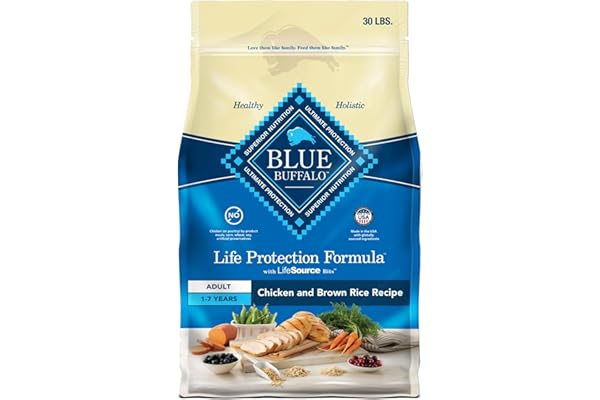
Blue Buffalo Life Protection Formula Adult Dry Dog Food, Chicken & Brown Rice, 30 lb — ORIJEN Original delivers 38% protein from 15 premium animal ingredients — the highest-quality protein load available in kibble form and perfectly matched to the…
Rottweilers are one of the oldest and most capable herding and working breeds in history, originally used to drive cattle to market and pull butchers' carts in Rottweil, Germany. Modern Rottweilers are still working dogs — serving in police, military, and personal protection roles — and require nutrition that supports both their athletic capacity and their above-average body mass. Adults weigh 80–135 lbs with females typically 20–25% lighter than males. The breed has a shorter-than-average lifespan of 9–10 years, making every year of quality nutrition critical.
Typical Weight
80–135 lbs
Lifespan
9–10 years
Energy Level
High
Size Class
Large
Daily Calories
2000–2700/day
Why Rottweilers Have Unique Nutritional Needs
Rottweilers need the highest protein percentages on this list to maintain their exceptional muscle mass — minimum 28%, ideally 30%+ from named animal sources. Fat requirements are higher than average breeds to fuel their energy-intensive body and support coat condition. Given their DCM risk, grain-inclusive formulas with adequate taurine are preferred. Glucosamine inclusion is essential from age 4, and antioxidant-rich whole-food ingredients become increasingly important as this cancer-prone breed ages.
Recommended Nutrition Targets for Rottweilers
🥩
Protein
min 28%
🐟
Fat
14–18%
⚡
Daily Calories
2000–2700/day
Targets based on AAFCO guidelines and breed-specific veterinary nutrition research. Adjust for individual dog weight, age, and activity level.
Common Rottweiler Health Issues & How Diet Helps
Understanding your Rottweiler's specific health risks allows you to choose a diet that provides targeted nutritional support — not just general adequacy.
1
Osteosarcoma (Bone Cancer)
Rottweilers have one of the highest osteosarcoma rates of any breed — affecting roughly 12% of the population. While no diet prevents bone cancer, antioxidant-rich nutrition (vitamin E, vitamin C, selenium, beta-carotene) reduces oxidative DNA damage. Omega-3 fatty acids have demonstrated anti-tumor properties in veterinary oncology research. Maintaining lean body weight reduces inflammatory cytokines associated with cancer proliferation. Avoiding highly processed foods with oxidative additives is a reasonable precaution.
2
Dilated Cardiomyopathy (DCM)
Rottweilers are genetically predisposed to DCM, an enlargement of the heart that reduces pumping efficiency. Given this predisposition, the ongoing FDA concern about grain-free, legume-heavy diets and DCM is specifically relevant to this breed. Choosing grain-inclusive formulas from established brands with cardiac safety records (Purina, Hill's, Royal Canin) is the recommended approach for Rottweilers. Taurine levels should be adequate — the FDA investigation focused partly on taurine deficiency as a potential mechanism.
3
Hip and Elbow Dysplasia
Supporting 100+ lbs on dysplastic joints is a significant welfare concern. Glucosamine (minimum 500 mg/day for a large Rottweiler) and chondroitin slow cartilage degradation. EPA and DHA from fish oil reduce joint inflammation. Weight management is critical — a Rottweiler 10 lbs overweight adds over 40 lbs of force on each hip joint with every step. Feed for lean muscle, not maximum size.
4
Bloat (GDV)
Rottweilers' deep-chested body conformation puts them at elevated GDV risk. Feed two to three smaller meals rather than one large daily feeding. Avoid exercise 90 minutes before and after meals. Use slow-feeder bowls. Avoid foods high in fermentable fiber (legume-heavy formulas) that increase gas production. Some Rottweiler breeders recommend prophylactic gastropexy at the time of spay/neuter — discuss this with your veterinarian.
Blue Buffalo Life Protection is the #1 best-selling dry dog food on Amazon. Made with real deboned chicken and whole grains with their exclusive LifeSource Bits blend.
ORIJEN Original delivers 38% protein from 15 premium animal ingredients — the highest-quality protein load available in kibble form and perfectly matched to the Rottweiler's substantial muscle maintenance needs. The freeze-dried liver coating provides exceptional palatability for this food-motivated breed. Wild-caught fish contributes meaningful natural EPA and DHA for joint and anti-inflammatory support. Note: ORIJEN is grain-free; given Rottweiler DCM predisposition, monitor cardiac health with your vet if feeding long-term.
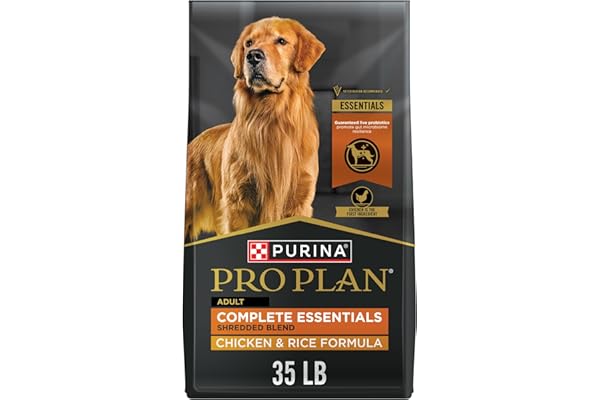
Purina Pro Plan is the most vet-recommended dry dog food in America. The shredded blend formula combines crunchy kibble with tender shredded pieces dogs find irresistible.
Merrick Grain Free Real Chicken + Sweet Potato hits 38% protein and 17% fat — among the highest macros on the market and appropriate for the Rottweiler's exceptional caloric demands. Real deboned chicken leads the ingredient list, and the formula is free of artificial additives. The sweet potato base provides a digestible complex carbohydrate with natural vitamin A. Same DCM monitoring note applies for grain-free feeding in this breed.
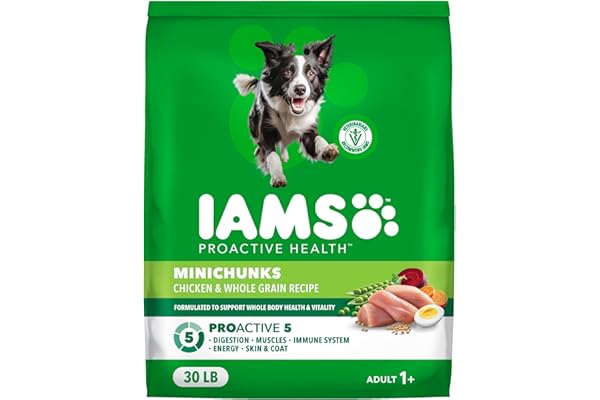
IAMS Proactive Health has the most reviews of any dog food on Amazon's Best Sellers list — over 31,000 verified ratings. Trusted by millions of dog owners for consistent quality at a fair price.
Blue Buffalo Life Protection provides a grain-inclusive option with 26% chicken protein and built-in glucosamine and chondroitin — important for a breed that will develop joint issues. The LifeSource Bits provide antioxidant support. While 26% protein is on the lower end for Rottweilers, this formula is appropriate for less active or older Rotties and carries no DCM concern. For very active or working Rottweilers, supplement protein from animal-source toppers.
Feeding frequency and portion size should evolve with your Rottweiler's life stage. The guidelines below are starting points — adjust based on body condition score and your vet's recommendations.
🐾
Puppy
3x/day; large-breed puppy formula critical; do not push rapid size — controlled growth prevents dysplasia
🦴
Adult
2–3x/day; divide into equal meals; never one large daily meal (bloat risk)
❤️
Senior
2x/day from age 7; joint support formula; reduce calories 15–20% as activity declines
Fun Fact: Rottweilers fed a lean, high-quality diet have been shown in longevity studies to live an average of 10 months longer than overweight Rottweilers — significant in a breed with a median lifespan of only 9–10 years, representing roughly 10% additional life expectancy from diet quality alone.
Ingredients Guide for Rottweilers
✓ Ingredients to Look For
high-quality named protein 28%+ (beef, chicken, lamb)
grain-inclusive formula for DCM safety
glucosamine and chondroitin
fish oil (EPA and DHA) for joints and cancer prevention
antioxidant-rich whole foods
taurine (or taurine-precursor-rich ingredients)
✗ Ingredients to Avoid
grain-free legume-heavy formulas (DCM risk)
artificial colors and preservatives
generic "meat meal" as primary protein
corn syrup
low-quality fat sources
Frequently Asked Questions: Rottweiler Nutrition
Adult male Rottweilers (95–135 lbs) typically need 4 to 6 cups of quality adult kibble daily — approximately 2,000–2,700 calories. Females (80–100 lbs) need 3 to 4.5 cups. Active working Rottweilers may need significantly more; sedentary house dogs may need less. Use the kcal/cup on the bag to calculate target intake, start at 25 calories per pound of ideal body weight, and adjust monthly based on body condition. Split across two or three meals to reduce bloat risk.
Yes — Rottweilers have a genetic predisposition to dilated cardiomyopathy (DCM). The FDA's ongoing investigation into grain-free diets and DCM is specifically relevant here. While the causal link is not definitively proven, the precautionary recommendation for DCM-predisposed breeds is to feed grain-inclusive formulas from established brands (Purina, Hill's, Royal Canin) that have published cardiac safety data. Annual cardiac auscultation and echocardiograms from age 4–5 are appropriate for Rottweilers regardless of diet.
Minimum 28% crude protein for an active adult Rottweiler, ideally 30–38% from named animal sources (chicken, beef, lamb, salmon). The protein requirement reflects the breed's exceptional lean muscle mass — a 120-lb Rottweiler has more metabolically active muscle tissue than a 120-lb fat-burdened dog of a different breed. Working or highly active Rottweilers may benefit from performance formulas reaching 36–40% protein, paired with appropriate fat levels to fuel energy demands.
For most healthy adult Rottweilers eating a premium kibble, additional supplementation is modest. Fish oil (EPA+DHA totaling 3,000–5,000 mg/day for a 100-lb Rottweiler) is the most evidence-supported addition for joint health and anti-inflammatory benefit. Glucosamine and chondroitin supplementation is appropriate from age 4–5 if not already included in the food. Vitamin E supports the antioxidant defense relevant to this cancer-prone breed. Always discuss supplement doses with your veterinarian before adding them.
The most evidence-supported bloat prevention strategies for Rottweilers are: feed two to three smaller meals rather than one large daily meal, enforce rest (no running, jumping, or vigorous play) for 90 minutes after eating, use a slow-feeder or puzzle bowl to reduce gulping, choose formulas with rice or oatmeal rather than large amounts of legumes, and discuss prophylactic gastropexy with your veterinarian — surgical stomach tacking at the time of spay/neuter is increasingly recommended for high-risk, deep-chested large breeds.